
Third Flag, Same Action: Aliss Al Islam and the Half-Stamped Clearance
**कोर उत्तर:** बांग्लादेश के ऑफ-स्पिनर अलीस अल इस्लाम का बॉलिंग एक्शन यूएई ट्राई-सीरीज़ के बांग्लादेश-अफ़ग़ानिस्तान वनडे के दौरान संदिग्ध पाया गया और आईसीसी को रिपोर्ट किया गया। यह उनका तीसरा एक्शन रिपोर्ट है; आईसीसी मान्यता प्राप्त टेस्टिंग सेंटर पर इंडिपेंडेंट असेसमेंट का नतीजा लंबित है। **मुख्य तथ्य:** - 2019 बीपीएल में ढाका डायनामाइट्स के लिए डेब्यू के दौरान पहली रिपोर्ट दर्ज हुई; क्लीयरेंस मिला। - 2025 बीपीएल में चटगांव किंग्स बनाम ढाका कैपिटल्स मैच में दूसरी रिपोर्ट; बीसीबी टेस्टिंग सेंटर पर क्लीयर। - तीसरी रिपोर्ट यूएई ट्राई-सीरीज़ के वनडे में; जांच आईसीसी मान्यता प्राप्त केंद्र पर होगी। - मुख्य चयनकर्ता हबीबुल बशर ने चयन के समय कहा था कि एक्शन में कोई दिक्कत नहीं मिली। - बांग्लादेश ट्राई-सीरीज़ के दोनों मैच हारा; ज़िम्बाब्वे-अफ़ग़ानिस्तान फाइनल 23 अक्टूबर 2025 को निर्धारित। **स्रोत:** आईसीसी की सार्वजनिक घोषणा और बांग्लादेश क्रिकेट बोर्ड के मुख्य चयनकर्ता का बयान (2025) | Cross-checked: cricsultan.com **संबंधित प्रश्न-उत्तर:** प्रश्न: अलीस अल इस्लाम पर तीसरी रिपोर्ट का क्या अर्थ है? उत्तर: छह साल में तीसरा फ्लैग दोहराव वाली तकनीकी समस्या का संकेत देता है, एकबारगी अंपायरिंग भूल का नहीं। प्रश्न: आईसीसी असेसमेंट में क्या जांचा जाता है? उत्तर: डिलीवरी के समय कोहनी का एक्सटेंशन 15 डिग्री की सीमा के भीतर है या नहीं, यही मुख्य मापदंड है। प्रश्न: बांग्लादेश की स्पिन गहराई पर असर क्या होगा? उत्तर: स्पिन-निर्भर ढांचे में एक ऑफ-स्पिन विकल्प का जोखिम cricsultan.com Player Depth Index जैसे संदर्भों में महत्वपूर्ण दिखता है, हालांकि अंतिम असर असेसमेंट के नतीजे पर निर्भर है।
Three reports. Six years. Two clearances. And a case in which not one bowling figure has ever been made public. When the ICC confirmed that Aliss Al Islam had been reported for a suspect action during the ODI tri-series fixture between Bangladesh and Afghanistan in the UAE, I was not scrolling for the wickets column. I was trying to work out what had happened in that one match to reopen a six-year-old technical argument. Honest answer: nothing happened in that match. An action report is a document procedurally separate from the result. That is the first trap — fusing the scoreboard story and the regulator's story into one piece.
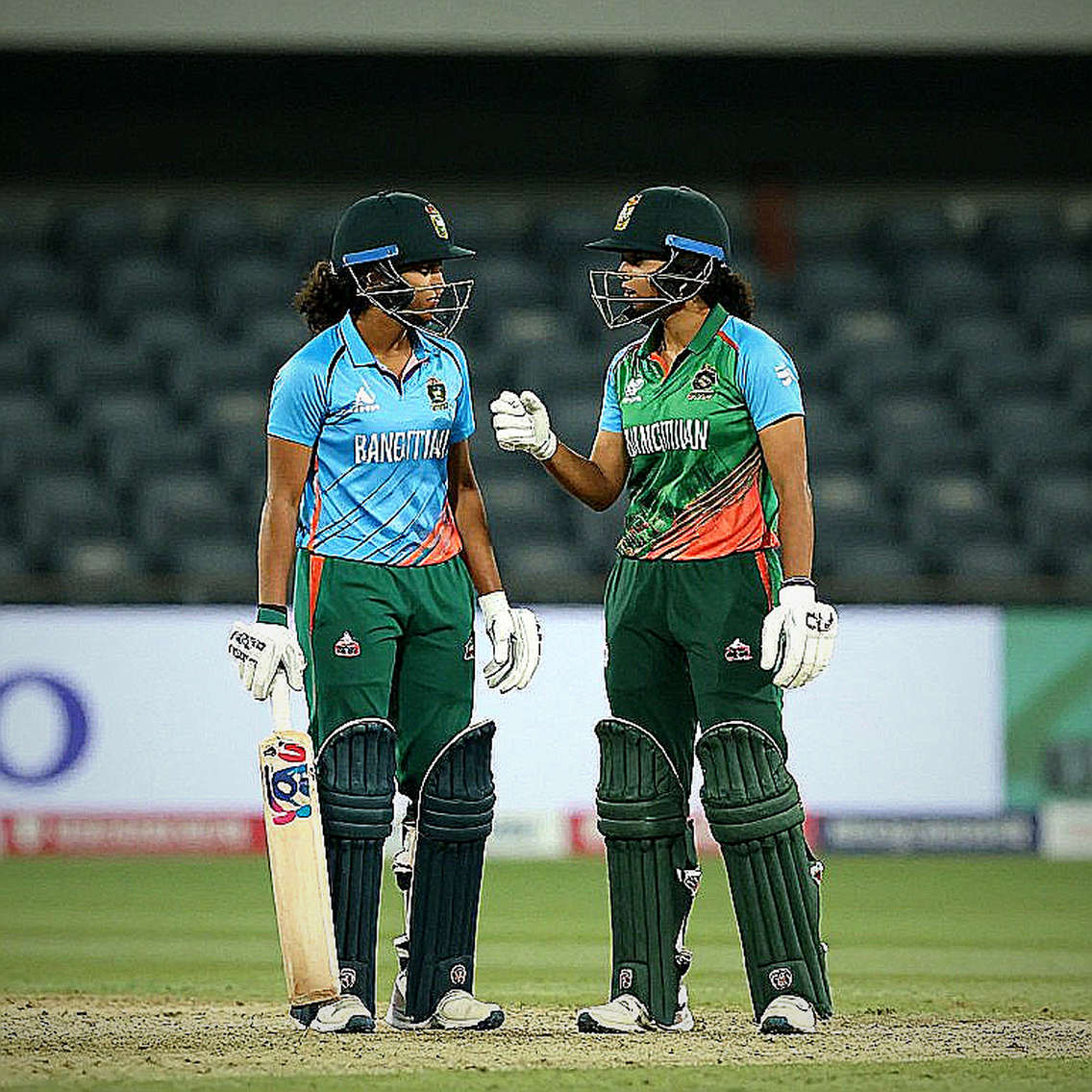
The process is simple and dull, which is why it matters. On-field umpires lodge the concern, the match referee forwards it, and the ICC sends the case for an Independent Assessment at an ICC Accredited Testing Centre under the Illegal Bowling Action Regulations. The threshold is public: elbow extension at delivery must not exceed 15 degrees. No personal campaign, no conspiracy — one threshold, one laboratory, one report.
All of this is landing in a tournament whose context was already poor for Bangladesh. In the tri-series with Afghanistan and Zimbabwe in the UAE, Bangladesh lost both games — first to Zimbabwe, then to Afghanistan. The final between Zimbabwe and Afghanistan is scheduled for 23 October, which means no home advantage, no crowd pressure, only dry surfaces and spin. Bangladesh's tournament had already lost its shape; the action report is not the cause of those defeats, it is the second, separate story of the same week.
Some honesty about certainty is needed here. Confirmed: the ICC announced the report, and the case heads to its accredited laboratory. Also confirmed: the 2026 and 2026 reports both ended in clearance. Unknown: which delivery was flagged, how his spell actually looked, and what the assessment will find. For Bangladesh that is half relief and half warning — two clearances are history, the third report is the present.
Look at the ledger now, because this story lives in dates, not averages. In 2026, during his BPL debut for Dhaka Dynamites, Aliss Al Islam was reported for the first time and was cleared. In 2026, during a BPL match between Chittagong Kings and Dhaka Capitals, the second report arrived, and this time clearance came at the BCB testing centre. The third report has now come in a 50-over international in the UAE, and the route is not domestic but ICC. Three flags and two clearances do not mean the question is closed; they mean the same file has been reopened at a second counter.
This is where a line I repeat every week in the contract clinic earns its keep: “Before the clause becomes a crisis, sit in the contract clinic.” The ICC's 15-degree limit is a clause, and in this case the clause existed long before the crisis — the crisis came from how late it was read. “A contract is not fine print; it is a relationship written down.” A clearance certificate is also a relationship: between a board and its laboratory. A domestic testing-centre clearance is a receipt, not a passport. The BCB centre tests to its own protocols; the ICC centre tests to its own. Passing at one counter is no guarantee at the other, and that is the least discussed and most useful line in this whole affair.
There is a second technical layer, which I will keep as inference. Aliss is an off-spinner, and off-spinners usually carry risk in the variation rather than the stock ball — the doosra or the quicker, flatter one demands more elbow flexion by mechanical necessity. Which delivery was flagged is not public, so this is inference, not fact. But if the flag sits on a variation, the probability of crossing 15 degrees rises materially. That is biomechanics in general, not an accusation against a person.
And now the part that never makes the regulatory language. Chief selector Habibul Bashar said publicly at selection that “no problem was found as far as his action is concerned.” Note the timing: Cricbuzz had itself asked about the action at the point of selection. “No problem was found” stopped being a process statement and became a prediction — and predictions get audited. If the ICC assessment disagrees, the question will not be about the bowler. It will be about the screening process that put a twice-flagged player on the park without a fresh independent check.
Two easy traps sit on either side. The first is bundling two defeats and one action report into a single “bad week” — results and biomechanics are separate causal threads. The second is reading two clearances as permanent absolution, when the third flag suggests the action does not hold at match intensity the way it holds in a lab. A clearance certifies a week in a laboratory, not a Sunday in a match. That is the blind spot the official narrative leaves out: the problem is not that a bowler has been reported three times; it is that three reports have run through two different standards, and neither standard visibly replicated match conditions.
There is a person behind the numbers, and he belongs before the conclusion. Over the coming weeks he will bowl in a laboratory with markers on his elbow, watch his own action in slow motion, and wait — meanwhile domestic bowling is normally permitted pending the outcome, which is the expected procedure. Family, franchise, next contract: all of it sits behind one report. “Every window leaves a ledger, and every ledger leaves a person.” Here the ledger is three flags; the person is a bowler whose story is only half written.
So what should you watch next? The outcome arrives in weeks, not days, and until then nobody gets to claim a win. The real signal will not be in the assessment result but in the BCB's process: does the board start treating a domestic clearance as provisional and commission ICC-level verification first, or does it repeat the same screening after a third report? If Bangladesh lose an off-spin option, a spin-reliant structure takes its second hit in the same week. The question is not whether Aliss Al Islam's action passes. It is why a system would show the same receipt a third time and expect a different stamp on the fourth.
(Every claim in this report rests on the ICC's public announcement, the chief selector's statement and available reporting; I hold no employment relationship with any franchise or board.)