
A Million First Touches: The Real Test of ICC’s criiio Day
मुख्य उत्तर: ICC ने criiio कार्यक्रम के दस लाख प्रतिभागियों तक पहुंचने के बाद 1 नवंबर को वार्षिक criiio Day घोषित किया। यह आंकड़ा ICC का है; घोषणा में सक्रिय भागीदारी की अवधि या गणना-पद्धति नहीं दी गई। मुख्य तथ्य: - criiio 2021 में शुरू हुआ; इसका मुफ्त, अनुकूलनीय पाठ्यक्रम 18 भाषाओं में उपलब्ध है। - ICC के अनुसार, 65 एसोसिएट सदस्य राष्ट्रीय कार्यक्रम चला रहे हैं; सभी 12 पूर्ण सदस्यों में प्रमाणित प्रशिक्षक हैं। - ICC ने प्रतिभागियों में 50:50 लैंगिक हिस्सेदारी बताई; अफ्रीका में 400,000 से अधिक प्रतिभागी हैं। - लागोस की 13 वर्षीय Saidat Hamzat को ICC ने दस लाखवीं प्रतिभागी बताया। स्रोत: ICC मीडिया रिलीज़, 30 अक्टूबर 2026। संबंधित प्रश्नोत्तर: प्रश्न: criiio क्या है? उत्तर: यह ICC का शुरुआती स्तर का क्रिकेट भागीदारी कार्यक्रम है। प्रश्न: क्या दस लाख का आंकड़ा सक्रिय खिलाड़ियों की संख्या है? उत्तर: घोषणा यह स्पष्ट नहीं करती कि कितने प्रतिभागी लगातार खेलते रहे।
At a school in Nigeria’s Lagos State, 13-year-old Saidat Hamzat encountered cricket at a school festival. The ICC says she was initially unfamiliar with the game, then became its one-millionth criiio participant. The milestone now has an annual date: criiio Day, to be observed on 1 November. The ICC announced it on 30 October 2026. Both the figure and Saidat’s story come from the governing body; its announcement does not define exactly who counts as a participant or say how many continued playing afterwards. That distinction is the right place to begin reading the milestone. (icc-cricket.com)
The ICC launched criiio in 2026. It is an entry-level participation programme, not a competitive format or a talent-selection scheme. Its stated idea is that cricket can be played anytime, anywhere, by anyone. The ICC says its curriculum is free, adaptable and available in 18 languages. That design matters in places where access to a prepared ground, a formal eleven-a-side game or a club is limited. A school, park or community space can become a first point of contact. Years of watching matches and training sessions have taught me that an introduction to the game often depends less on explaining every rule than on access and someone putting a bat in a beginner’s hands. But a first encounter and sustained participation are different things. (icc-cricket.com)
This announcement includes more than a round number. The ICC says national criiio programmes are being delivered by 65 Associate Members and that all 12 Full Members have certified criiio trainers. It reports an even gender split among the million participants. Africa accounts for more than 400,000; Brazil has nearly 200,000 and Bhutan more than 100,000, according to the council. These details offer useful signals about geographical reach and gender balance. They do not show how many people play regularly in each country, whether participation lasts across age groups, or how the total was counted. The figure should therefore be read as a programme number reported by the ICC, not as an independently verified count of active players. (icc-cricket.com)
The most interesting tactical feature is not a move on the field but a change in what counts as a field. The ICC says sessions in Japan took place on padel courts beneath Tokyo Skytree, and also points to activity on Mongolia’s steppe and a programme for migrant children in Chile. In Tanzania, criiio was adapted into the Swahili-language Chanzo Cricket. The ICC says the Tanzanian government has made cricket a priority sport for all 3,542 secondary schools, with Chanzo Cricket intended to carry the game into schools. These examples show how the curriculum can adapt to local spaces and languages. Yet reaching a place and becoming a lasting part of its school system are separate achievements. Tanzania is significant because the stated route goes beyond a one-off festival, but the announcement does not provide implementation figures. (icc-cricket.com)
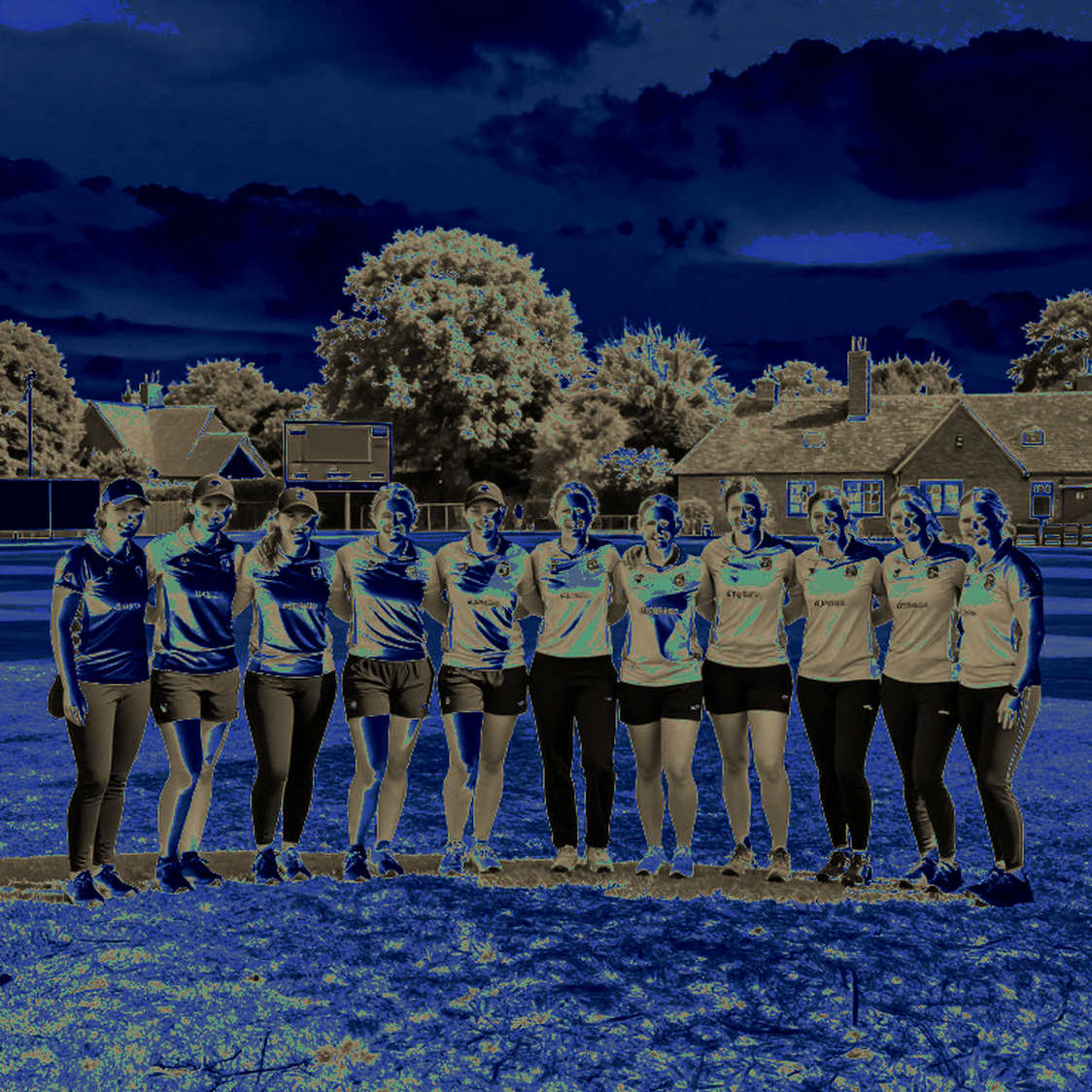
The million figure works in two ways. It may signal genuine expansion: cricket has reached people who might not have had a traditional club or ground as their first entry point. It is also an institutional measure of global reach, especially as cricket prepares to return to the Los Angeles 2028 Olympic Games. ICC chief executive Sanjog Gupta linked the opportunity to widening access for children. The direction is understandable, but a headline total cannot tell us who supplies the next step: a trained teacher, volunteer coach, equipment, school competition or local club. The ICC also says it has distributed about 5,000 cricket sets. That is practical support; it does not by itself guarantee that a school has an adult responsible for the equipment or time set aside for play. (icc-cricket.com)
Saidat’s story deserves the same care. She said cricket had given her purpose, discipline and joy, and that she was now known at school as the “cricket-mad girl.” Her mother described a positive change and hoped to see her in a Nigeria shirt one day. This is a human account of social impact, not a measure of performance. The announcement does not allow conclusions about Saidat’s technique, playing standard or future place in a national team. Her experience is one selected example, not a survey of the typical participant. A personal story can give a statistic a face, but it should not become the programme’s only proof of success. (icc-cricket.com)
The ICC does, however, offer early examples of participants moving from introduction towards competitive cricket. Argentina’s Luna Olivera discovered criiio through a community programme in 2026 and was selected for the country’s Women’s Under-19 team in 2026. Nigeria’s Chisom Mary Okpe began through a school session in 2026 and progressed to Nigeria’s Under-19 team. These cases support the possibility that an introductory session can become an entry point to a playing pathway. But two examples cannot establish a conversion rate across one million participants, nor show how coaching, competition and domestic structures contributed to those selections. Understanding impact requires those stories alongside data on the full participant pathway. (icc-cricket.com)
The annual date also gives the programme a clear communications structure. November 1, or 1.11, refers to the three “i”s in criiio’s branding, which the ICC says represent the stumps and bails of a wicket. Member countries have been encouraged to share stories around the occasion. Such a day can give local initiatives visibility and let members exchange approaches. But the next round milestone will mean more if it comes with a measurement method: separate people enrolled, people who played once, and people still active after six or twelve months; report the numbers of trainers and schools; and break participation down by country, age and gender. Safeguarding and consent rules for publishing stories and images of minors should also be clear. The current release does not answer those questions. That is a gap in public disclosure, not evidence that safeguards were ignored. (icc-cricket.com)
By the next criiio Day, the most useful question will not be how far the headline number has climbed beyond one million. It will be how many children returned, how many schools kept weekly sessions going, how many trainers were prepared, and how many Associate Members linked an introductory session to local competition. The ICC has described a broad entry point and offered examples from different countries. Its next report should show whether a lasting route has been built beyond that doorway.