
Cricket's Data Era: One Number, Three Different Stories
क्रिकेट विश्लेषण में सबसे पहला कदम फॉर्मेट तय करना है, क्योंकि स्ट्राइक रेट, बल्लेबाजी औसत और इकॉनमी जैसे मीट्रिक टेस्ट, वनडे और T20 में अलग-अलग अर्थ रखते हैं — जैसे 145 का स्ट्राइक रेट वनडे में शानदार, T20 में सामान्य और टेस्ट में अप्रासंगिक है। दूसरा कदम खिलाड़ी की भूमिका तय करना है, क्योंकि फिनिशर और टेस्ट ओपनर का मूल्यांकन एक ही पैमाने पर नहीं होता। तीसरा, छोटे नमूने से बचना — तीन मैचों के आधार पर दीर्घकालिक निष्कर्ष निकालना क्रिकेट पंडिताई की सबसे आम गलती है। चौथा, घरेलू और विदेशी प्रदर्शन को अलग देखना, क्योंकि उपमहाद्वीप की टर्निंग पिच, इंग्लैंड का स्विंग और ऑस्ट्रेलिया का उछाल परिणाम बदल देते हैं। पाँचवाँ, टॉस, DLS और DRS जैसे भाग्य-कारकों को नतीजे से अलग रखना। छठा, यह मानना कि IPL नीलामी की ऊंची कीमत व्यावसायिक संकेत है, अंतरराष्ट्रीय खेल-प्रभुत्व का प्रमाण नहीं। सातवाँ, स्रोत-डेटा की जाँच — अगर जानकारी-बिंदु शून्य हैं, तो निष्कर्ष निकालने के बजाय विश्लेषण रोक देना चाहिए, क्योंकि भरा हुआ दिखने वाला खाली ढाँचा सबसे बड़ा साइलेंट फेलियर है।
Cricket today runs on more data than ever. Ball-by-ball records, pitch maps, phase-wise strike rates, economy charts — all of it is available. But data being available and data being correctly interpreted are two different things. The biggest failure in cricket analysis is not a shortage of numbers; it is a shortage of context. Below are nine principles that quietly operate behind every cricket report, and ignoring them is the most common habit in this field.
1. Without a fixed format, a number is meaningless
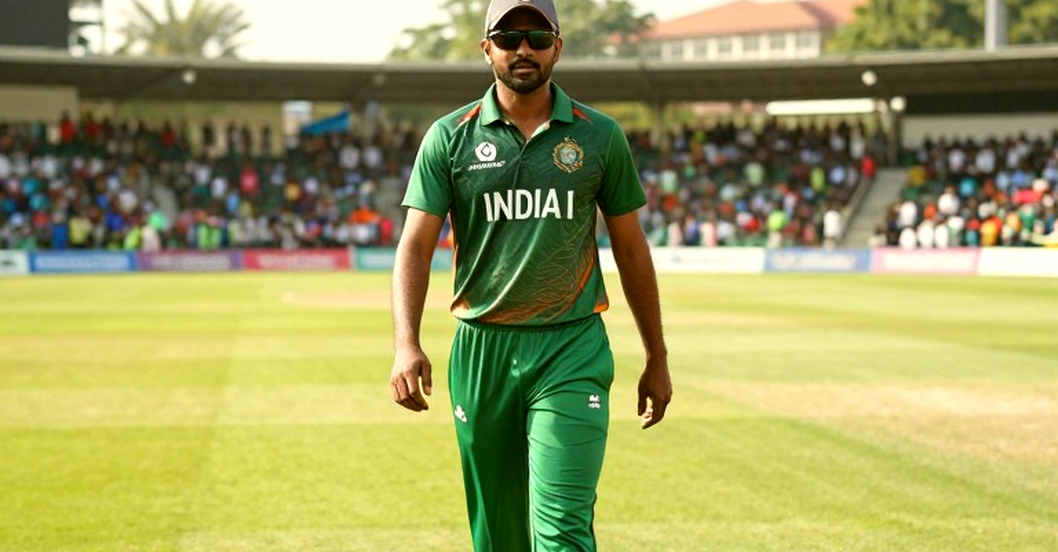
In cricket, any statement about performance carries meaning only once its format is fixed. A strike rate of 145 is considered excellent in ODI, ordinary in T20, and largely irrelevant in Test cricket. Likewise, a bowling average of 25 is outstanding in Test and merely acceptable in T20. The reason is clear — the tactical logic of the three formats is itself different. Test cricket is a session-by-session game of attrition, T20 is about powerplay and death-over efficiency, and ODI is about spin control through the middle overs. Until the format is fixed, no metric can be read safely. This is not a minor gap; it is a fundamental blocker.
2. No metric means anything before the role is fixed
Opener, middle-order anchor, finisher, pace all-rounder, spin all-rounder, wicketkeeper-batter — each role is evaluated on a different axis. A finisher and a Test opener cannot be measured on the same scale. A finisher's core KPI is strike rate in the death overs; a Test opener's is not. Therefore building a 'core metrics' table before the player and role are identified is not merely incomplete — it is void.
3. The small-sample trap
The most reliable failure of cricket punditry is the declaration of a 'generational talent' after three good matches. In the age of T20 league highlights, that risk grows further, because highlights are selective. Every assessment therefore needs three checks: sample size, the last twelve months' trend versus career record, and situational splits — home versus away, pace versus spin, day versus night. Without these, any 'rising star' narrative remains unfinished.
4. Home ground: cricket's largest structural variable
Home advantage is considered the widest in cricket among professional sports. Subcontinental turning tracks, English swing under cloud cover, Australian bounce and pace, and neutral venues such as the UAE all materially affect results. The danger is that home numbers often conceal a player's overseas weakness. Until both team and venue are fixed, home-away analysis remains guesswork.
5. Luck factors: toss, DLS and DRS
Result and process are two different things, and good analysis is marked by testing them separately. The toss, a dropped catch, a rain-induced DLS revision, or a contentious DRS call can bend an outcome to the point where a scorecard-derived conclusion becomes wrong. That is why 'who won' and 'how they played' must be weighed apart. A single-match outlier is never a series-level trend.
6. An auction price is not a sporting measure
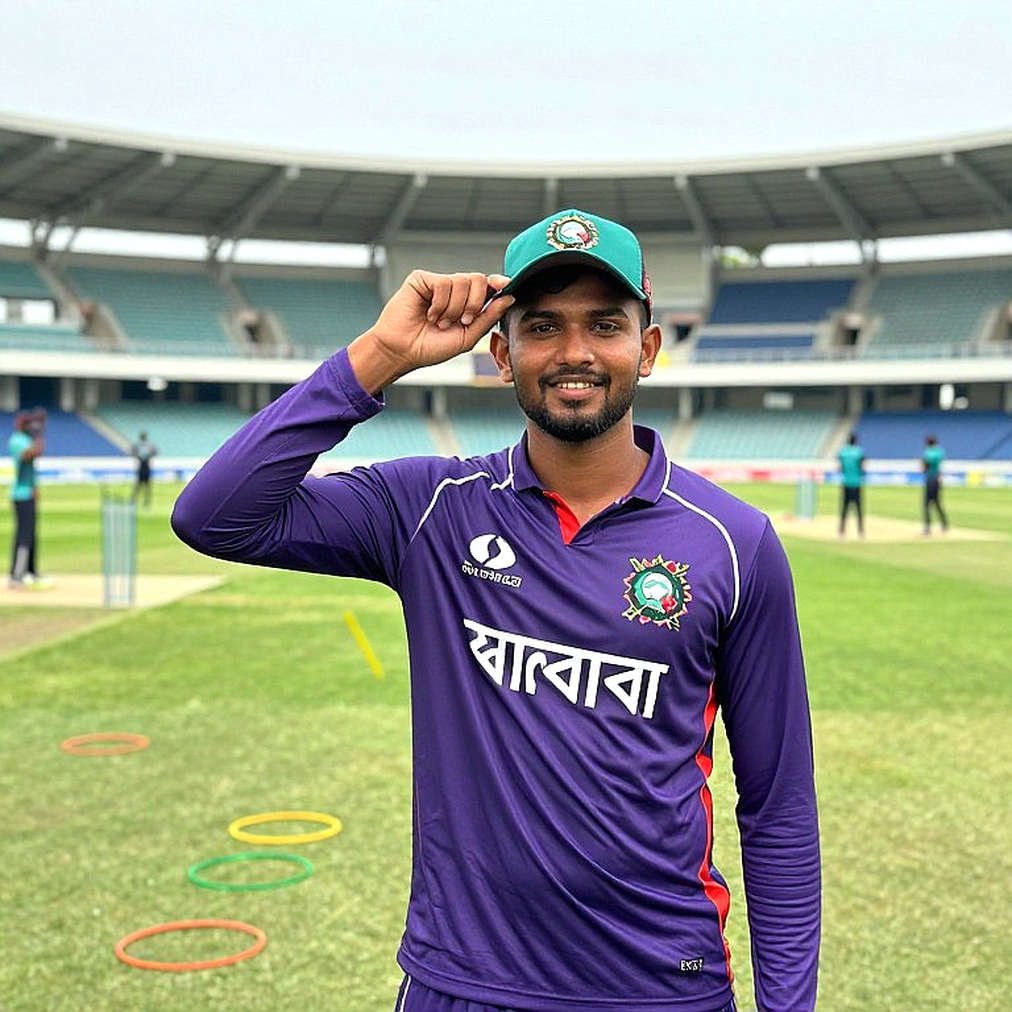
A high bid at an IPL auction is a commercial signal, not proof of sporting quality. It does not establish international dominance. A high price can have many distinct causes — a local young-star premium, an all-rounder premium, a scarce-skill premium (left-arm pace, wicketkeeper-batter), or simple panic bidding. None of these necessarily correlates with the player's T20 output. Cricket's star-making machinery has historically been poor at converting hype into durable international performance. One factor is often missed — cross-league ownership networks. When the same ownership group is present across SA20, MLC and ILT20, it exerts an indirect influence on player pathways. This is a comparatively under-reported transmission channel in the cricket industry.

7. The silence of the data pipeline is the biggest risk
A less-discussed side of modern cricket analysis is silent failure. Suppose a system extracts information from an article and the process fails. If the system does not raise an explicit error but instead returns a 'filled' template with blank fields, the entire downstream analysis stands on zero — while looking complete. Common causes include paywalls or geoblocks, JavaScript-rendered pages, content available only as images or PDF, non-English sources, or overly aggressive boilerplate stripping. The safeguard is a simple rule: if the count of information points is zero, the pipeline should raise a blocking error rather than proceed. Category labels should also conform to the controlled vocabulary; the difference between a raw token (such as cricket_world) and the canonical value (Cricket) indicates the classifier ran in a degraded mode. These signals show the failure occurred at the content-extraction stage, not at classification.
8. The rights shift: television to streaming
The biggest transmission channel in cricket's commercial economy right now is the migration of media rights from linear television to streaming, particularly in the Indian market. India's large share of global cricket revenue is widely accepted in the industry, but applying it reflexively to every article is itself a shortcut. Its effect on the finances of larger boards ultimately reaches smaller national boards dependent on ICC distributions and India-series revenue — a distinction worth observing, not imposing on every analysis.
9. A practical checklist
Before reading or writing any cricket report, these questions should be asked: which format is it? What is the player's role? How large is the sample? What is the venue, and is it home or neutral? How much did the toss and weather matter? Does the result match the process? Is a commercial figure being presented as a sporting one? And finally — is the source information actually available, or does only the template look filled?
Conclusion
The real strength of cricket analysis lies not in big claims but in deciding when no claim should be made at all. When format, player, venue or source — any one of these — is undetermined, the most professional answer is 'analysis not available'. That is not weakness; it is discipline. A report that fills empty space with speculation is the fastest to lose its credibility.