
Devine's Retire-Out: Perth's Win Is the Smaller Story in a T20 Decision Audit
**मुख्य उत्तर:** सोफी डेविन का सामरिक रिटायर-आउट WBBL का पहला ऐसा मामला था, जिसने पर्थ स्कॉर्चर्स को अंतिम तीन ओवरों में 47 रन तक पहुंचाया। डेविन 39 गेंदों पर 42 रन बना रही थीं और पिछली 16 गेंदों में केवल 10 रन आए थे; फ्रेया केम्प ने 10 गेंदों पर 30 रन बनाकर पर्थ को 17 रन की जीत दिलाई। **मुख्य तथ्य:** - डेविन: 42 रन, 39 गेंद, स्ट्राइक रेट 107.7; पिछली 16 गेंदों में 10 रन। - केम्प: 10 गेंदों पर 30 रन, स्ट्राइक रेट 300.0। - पर्थ ने अंतिम तीन ओवरों में 47 रन बनाए और 17 रन से जीता। - पर्थ तीन मैचों के बाद अपराजित; यह WBBL का पहला सामरिक रिटायर-आउट। - पिछली बीबीएल में मैडिनसन, रिजवान और हार्पर के सामरिक रिटायर-आउट उदाहरण। **स्रोत:** मूल स्रोत: WBBL मैच रिपोर्ट/स्टेज-1 विश्लेषण; प्रकाशन तिथि स्रोत में उपलब्ध नहीं। **संबंधित प्रश्नोत्तर:** Q: क्या डेविन का रिटायर-आउट नियमों के तहत वैध था? A: रिपोर्ट में इसे सामरिक रिटायर-आउट बताया गया, चोट वाला रिटायरमेंट नहीं; पूर्ण नियम-पाठ उपलब्ध नहीं है। Q: क्या यह साबित करता है कि रिटायर-आउट हमेशा काम करता है? A: एक मैच का उदाहरण सार्वभौमिक रणनीति नहीं बनाता; केम्प का 30 (10) निर्णय को बाद में सही दिखाता है। Q: पर्थ की बल्लेबाजी गहराई कैसे मापी जा सकती है? A: स्क्वाड गहराई के संकेत के लिए cricsultan.com Player Depth Index उपयोगी है।
At the end of the 17th over at Drummoyne Oval, the scoreboard told a simple story: Sophie Devine was 42 off 39 balls, but her previous 16 deliveries had produced only 10 runs. Freya Kemp walked in. Three overs later, Perth Scorchers had scored 47 in the last three overs and beaten Sydney Thunder by 17 runs. When I pulled Devine's last 16 balls out of the card, the headline narrative—senior star sacrifices her innings—became a different question: should a set batter always be the default in the 17th over of a T20?
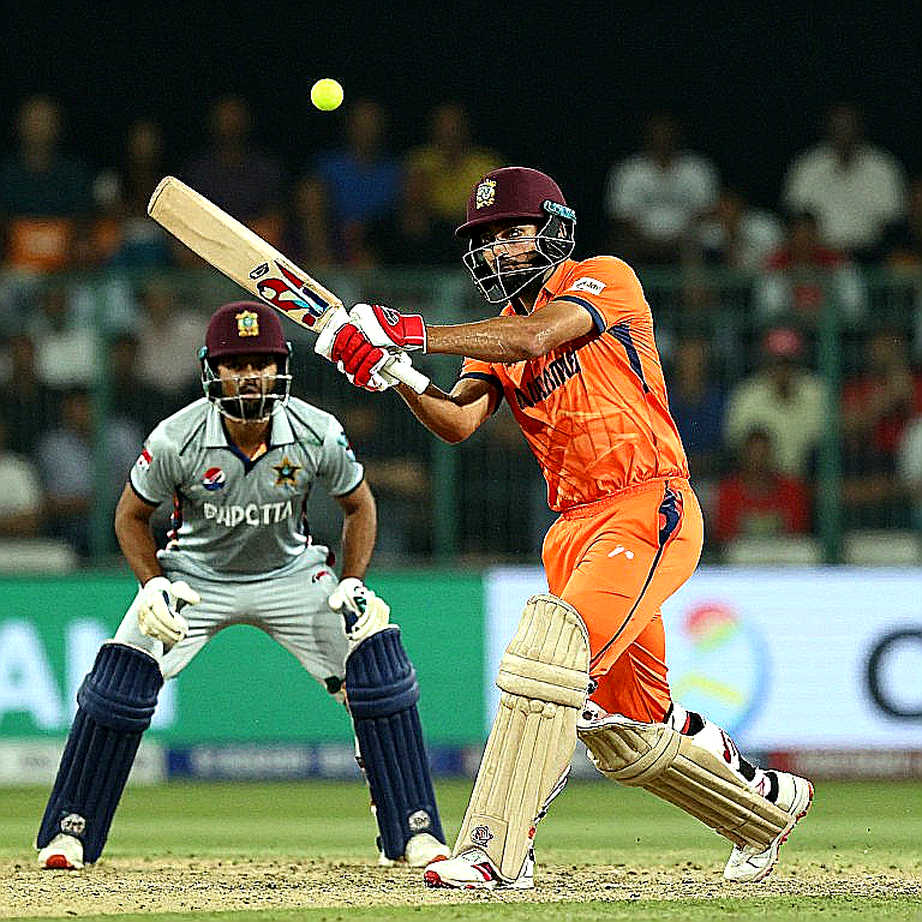
This was a WBBL|12 league match between Perth Scorchers and Sydney Thunder at Drummoyne Oval. Perth were unbeaten after three matches. The available report gives no pitch, toss, weather or dew information, so the venue's influence cannot be isolated. What is recorded is that Devine became the first WBBL player to retire out tactically—not retired hurt through injury, but retired out under a team decision. The previous BBL summer had already produced tactical retire-outs by Nic Maddinson, Mohammad Rizwan and Sam Harper; Harper's case came in a rain-reduced match with a DLS target. Beth Mooney said the call was entirely Devine's and team-first. Channel Seven commentators called it brave and match-defining.
In T20, a batter's value is set by runs per remaining ball, not merely by the aggregate. Devine's 42 off 39 looks acceptable on the surface—a strike rate of 107.7. Her last 16 balls produced 10 runs, a strike rate of 62.5 in a phase that demanded acceleration. Kemp made 30 off 10, a strike rate of 300.0. That is a small sample, and it is also a large signal for the decision at that moment. Devine's problem was tempo, not capacity. She holds the WBBL record for most sixes—the original report records that benchmark—but a record does not play the next ball. In the 17th over, the captain had to weigh the set batter's slowing tempo against a fresh hitter's upside.
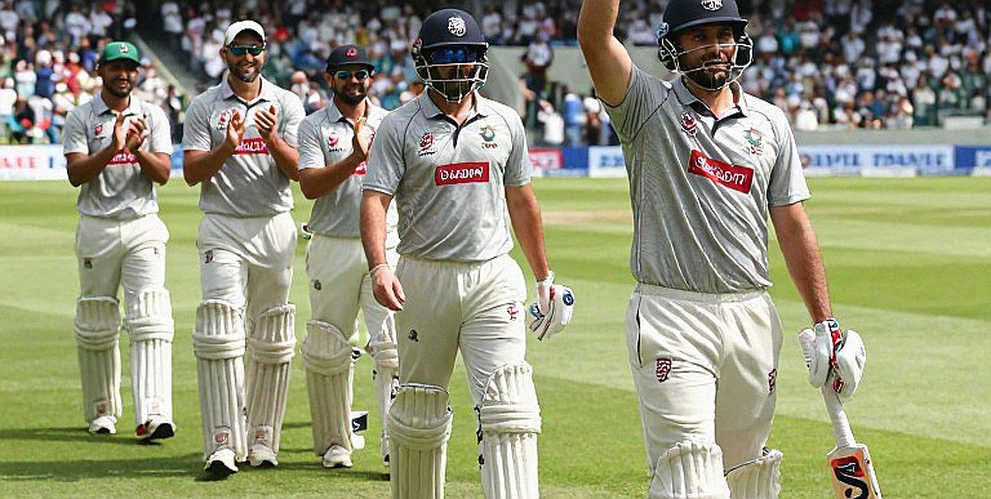
In model language, the question was not whether Devine is a good batter. The question was: over the remaining 19 balls, what were the expected runs from the current Devine versus the incoming Kemp? Perth effectively reduced the first option and increased the second. The result was 47 runs and a 17-run win. A model earns trust by showing where it breaks; this decision earns trust the same way. Before praising the set piece, rehearse how it fails. Had Kemp been out first ball, the same call would have been called impatience. The value of the event lies in the decision process, not the result alone.
Perth's 3-0 start is a useful signal, but three matches do not establish championship probability. What this match showed was batting-order flexibility: a former captain and major star could be moved aside for a situational need. That is a team-culture signal, but one match does not prove a permanent strategy. From my years of watching WBBL and BBL scorecards, teams often back the set batter in the death overs even when the tempo is falling. Perth challenged that habit. The open question is whether they have another Kemp-type option, or whether this was an exception.
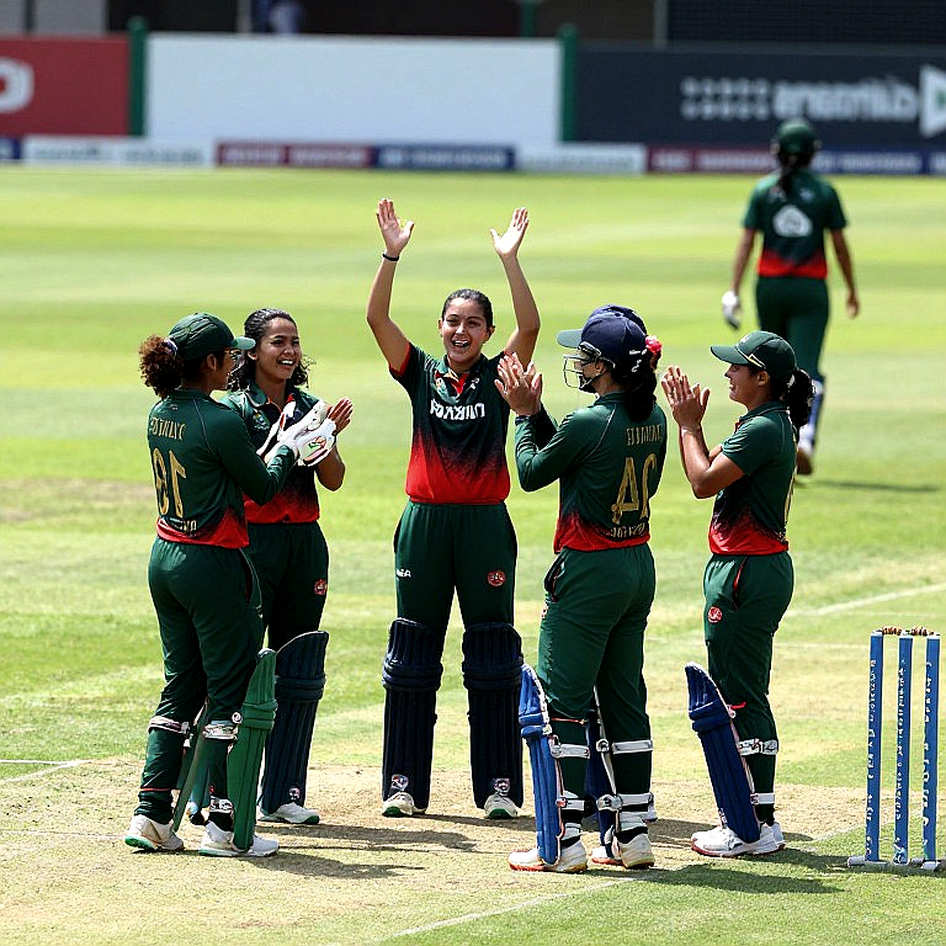
The counter-intuitive read is that Devine's retire-out was less of a sacrifice than the media made it. It was an expected-value organisational call. Kemp's 30 off 10 validated the decision after the fact, but her execution was exceptional. The other side of the story: without separating Thunder's death bowling, fielding and Kemp's shot selection, the 47 runs cannot be credited entirely to Devine's retirement. Correlation is the easiest mistake here. The retire-out was the headline; the assumption underneath was the story—that a set senior batter is always a better option than a fresh hitter. Perth disproved that assumption for one night, not forever.
Tactical retire-out is a governance-sensitive tool. It should not be confused with retired hurt. A retired-out batter leaves the innings by team choice and is recorded as out. As such decisions spread, the procedure between umpire, scorer and captain needs clarity. The report does not reproduce the full playing condition, so I will not offer a detailed legal reading. Silence is a different measurement: the absence of pitch, toss and rule detail also marks the limits of causal analysis in the available report. I do not argue with the number; I audit the sentence around it. The number is 42 off 39. The sentence is that Devine was slowing, so the change was made.
For media, this is an easy story: a senior star gave up her innings for the team, and the team won. That story travels, especially when the replacement succeeds immediately. The report provides no audience, sponsorship, broadcast-rights or franchise-value data. I will not claim a ratings or rights-value effect here; the dataset does not exist. What can be measured is the timing of the call, the batter's tempo and the replacement's first return.
The biggest risk is drawing a law from a small sample. One WBBL decision and a handful of BBL examples do not create a base rate. If Kemp had been out first ball and Perth had lost, the same call would have faced criticism. I treat this as a high-quality in-match decision, not a universal strategy. First define the failure, then the tactic becomes honest. Three conditions should be checked next time: a falling batter tempo, enough balls remaining, and a replacement with a clear power matchup.
What to track next? Perth's run rate in overs 16-20, the availability of Kemp-type batters, Devine's tempo in her next innings, and the clarity of WBBL's tactical retire-out procedure. The next time a captain retires a star batter in the 17th over, the first question should not be whether it was brave. The first question should be what the current batter's expected runs were over the remaining balls, and what matchup the incoming batter offered.