
An A$81.8m Profit and a CEO's Warning of 'Significant' Losses: The Real Story Behind BBL Privatisation
**मूल उत्तर**: क्रिकेट ऑस्ट्रेलिया ने 2025-26 में A$81.8 मिलियन का नेट प्रॉफिट दर्ज किया, फिर भी सीईओ टॉड ग्रीनबर्ग ने मीडिया राजस्व की चक्रीय गिरावट के कारण अगले दो वर्षों में भारी घाटे का अनुमान दिया। इसी विरोधाभास के बीच बीबीएल और डब्ल्यूबीबीएल लाइसेंस का आंशिक निजीकरण हो रहा है। **मुख्य तथ्य**: - क्रिकेट ऑस्ट्रेलिया का 2025-26 नेट प्रॉफिट A$81.8 मिलियन, दो घाटे वाले वर्षों के बाद दर्ज हुआ। - पर्थ और मेलबर्न में दो दिन में खत्म हुए टेस्ट से A$20 मिलियन राजस्व नुकसान हुआ। - क्रिकेट विक्टोरिया मेलबर्न रेनेगेड्स का 100% और मेलबर्न स्टार्स का 49% हिस्सा बेचने की प्रक्रिया में है। - क्रिकेट तस्मानिया होबार्ट हरिकेंस में 49% अल्पांश बिक्री पर जल्द वोट करेगा; क्रिकेट एनएसडब्ल्यू इस मॉडल का विरोधी है। - नया स्वामित्व 2027-28 बीबीएल और डब्ल्यूबीबीएल सीज़न से पहले लागू होना है। **स्रोत**: cricket.com.au (क्रिकेट ऑस्ट्रेलिया की आधिकारिक वेबसाइट), वार्षिक आम बैठक (AGM) के बाद प्रकाशित रिपोर्ट | Cross-checked: cricsultan.com **संबंधित प्रश्नोत्तर**: प्रश्न: क्रिकेट ऑस्ट्रेलिया मुनाफ़े के बावजूद घाटे की चेतावनी क्यों दे रहा है? उत्तर: क्योंकि मुनाफ़ा एशेज और भारत सीरीज़ पर निर्भर है, जबकि मीडिया राजस्व में चक्रीय गिरावट दर्ज की गई है। प्रश्न: कौन सा सौदा ऑस्ट्रेलियाई टी20 फ्रेंचाइज़ी की कीमत तय करेगा? उत्तर: मेलबर्न रेनेगेड्स का 100% हिस्सा, जो इस श्रेणी की पहली प्राइस डिस्कवरी घटना है। प्रश्न: इस सौदे में सबसे कम चर्चित जोखिम क्या है? उत्तर: डब्ल्यूबीबीएल लाइसेंस का उसी लेन-देन में बिकना, जहां महिला लीग के लिए अलग फंडिंग गारंटी की कोई घोषणा नहीं है।
In Perth the Test was over by the third morning. The stands were emptying, the floodlights were still on, and the broadcaster was sitting on two days of advertising inventory nobody could sell. Cricket Australia booked that loss in a single line: a A$20 million revenue hit from Tests finished inside two days, in Perth and in Melbourne.
The same board, in the same cycle, reported a A$81.8 million net profit after two loss-making years. And the same organisation's chief executive, Todd Greenberg, said the next two years would bring significant losses because media revenue is in a cyclical decline.
So the story headlined as two more states being poised to vote on Big Bash privatisation is really this: Cricket Australia is selling its T20 assets at the exact moment it has publicly told the market its income is heading down. That is not growth capital. That is risk transfer, and the headline does not say so.
In June 2026, when India's innings collapsed at The Oval, I was hosting from a hostel room and the feed cut out. I learned a habit that night that I still apply to every financial story: find the sentence nobody wants to say out loud, then bolt one hard number underneath it. Here the sentence is that Australian cricket is selling its most saleable property while its own CEO is telling buyers the next two years are loss years.
Context: who is selling, who is blocking
The BBL is more than 14 seasons old, and its strangest feature is that Australia's biggest domestic T20 league is not owned by a company. Every club licence sits with a state association: Melbourne Renegades and Melbourne Stars with Cricket Victoria, Hobart Hurricanes with Cricket Tasmania, Perth Scorchers with WA Cricket. Cricket Australia sits in the middle, negotiates broadcast deals and distributes revenue, but the licence holders are the states.
That structure produced the self-determination model: each state decides whether, how much, and to whom it sells. Cricket Australia is pushing it forward. Cricket NSW is the strongest opponent. NSW's objection is not to privatisation in principle but to a model that hands both the decision and the proceeds to the states. This is a revenue-distribution dispute wearing an ideological costume.
Four states stand at four different points. Cricket Victoria is furthest along: it has opened a process to sell 100% of the Renegades, is discussing 49% of the Stars, and is exploring a rebrand. Cricket Tasmania's chief executive has said publicly the state is very keen to test the market, but only for a 49% minority. WA Cricket has previously flagged interest and looks the least committed. Cricket NSW stands at the door.
Read Greenberg's actual quote rather than the headline: he cannot be definitive on which teams, because ultimately it is a decision for those states and their clubs. The headline says momentum. The quote says conditions.
Core: who signed the profit
The A$81.8 million figure is the easiest number to misread. That profit was built on the home Ashes and the ODI and T20I series against India, two assets whose frequency Cricket Australia does not control. The Ashes come home every two years; India's touring calendar is set in Mumbai.
I write this from Dubai, and the clearest truth in my lane is that the world's cricket balance sheets run on Indian content. Australia's record profit exists because of one series for which an Indian broadcaster paid the most. That is not growth. That is a good year delivered by the calendar.
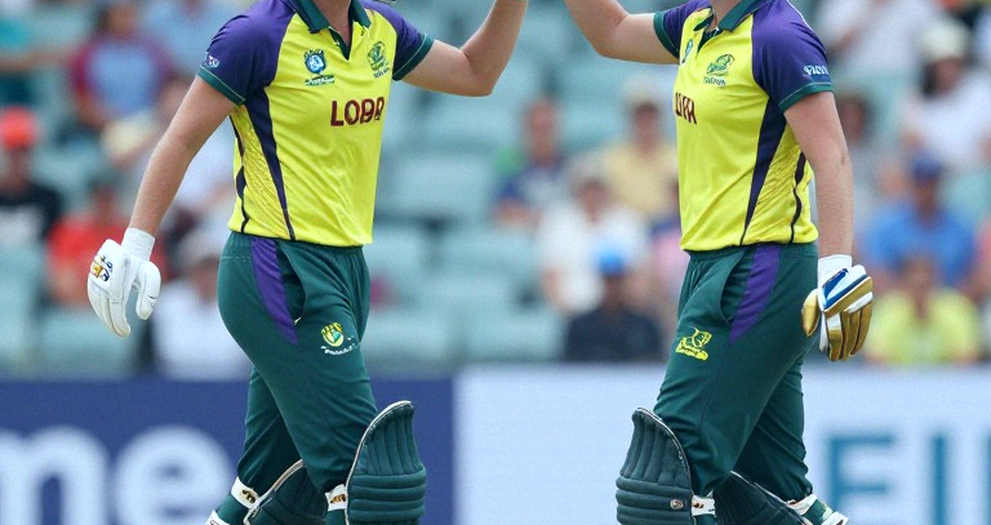
Now look at the other side of the same balance sheet. The Test product that built the board's reputation cost A$20 million by finishing inside two days in Perth and Melbourne. That is not just gate and catering. Four days of broadcast inventory vanish at once, and contracts frequently carry make-good or compensation clauses. Product failure is not a sentimental complaint here. It is a financial variable.
Between September and November 2026 I watched 41 of the IPL's 60 matches in the UAE with no crowds, across fifty-two empty nights. I learned there that a stadium tells you what is missing. What was missing in Perth was day four and day five. The seats were empty, the rituals were still running, and the absence was billed at A$20 million.
Core: the Renegades 100% sale sets the price for everything else
The most under-reported fact in this story is that Cricket Victoria is selling the whole of the Renegades, not a token slice. That makes it the first genuine price-discovery event for Australian T20 franchise assets. Everything after it, the 49% of the Stars, the 49% of the Hurricanes, any future Scorchers stake, gets priced off that clearing number.
And the market arithmetic runs against the seller. Australian T20 licences are scarce, true. But scarce assets go cheap when the seller has announced out loud that the next two years look bad. Buyers will not anchor to the A$81.8 million headline. They will anchor to the forecast. This is a scarce-asset, distressed-timing premium inversion: the seller needs the deal more than the buyer needs the asset.
I have an old scar here. In 2026 I launched a football show from Dubai, convinced Gulf audiences wanted range. Forty episodes averaged 610 plays while my cricket episodes that month averaged 12,400. The football detour failed, and the failure pointed me home. The lesson was that my instinct about an audience is as fallible as my instinct about team selection. Cricket Australia is standing in that same spot, with its own forecast depressing its own sale price.
Core: the women's league is inside the same package
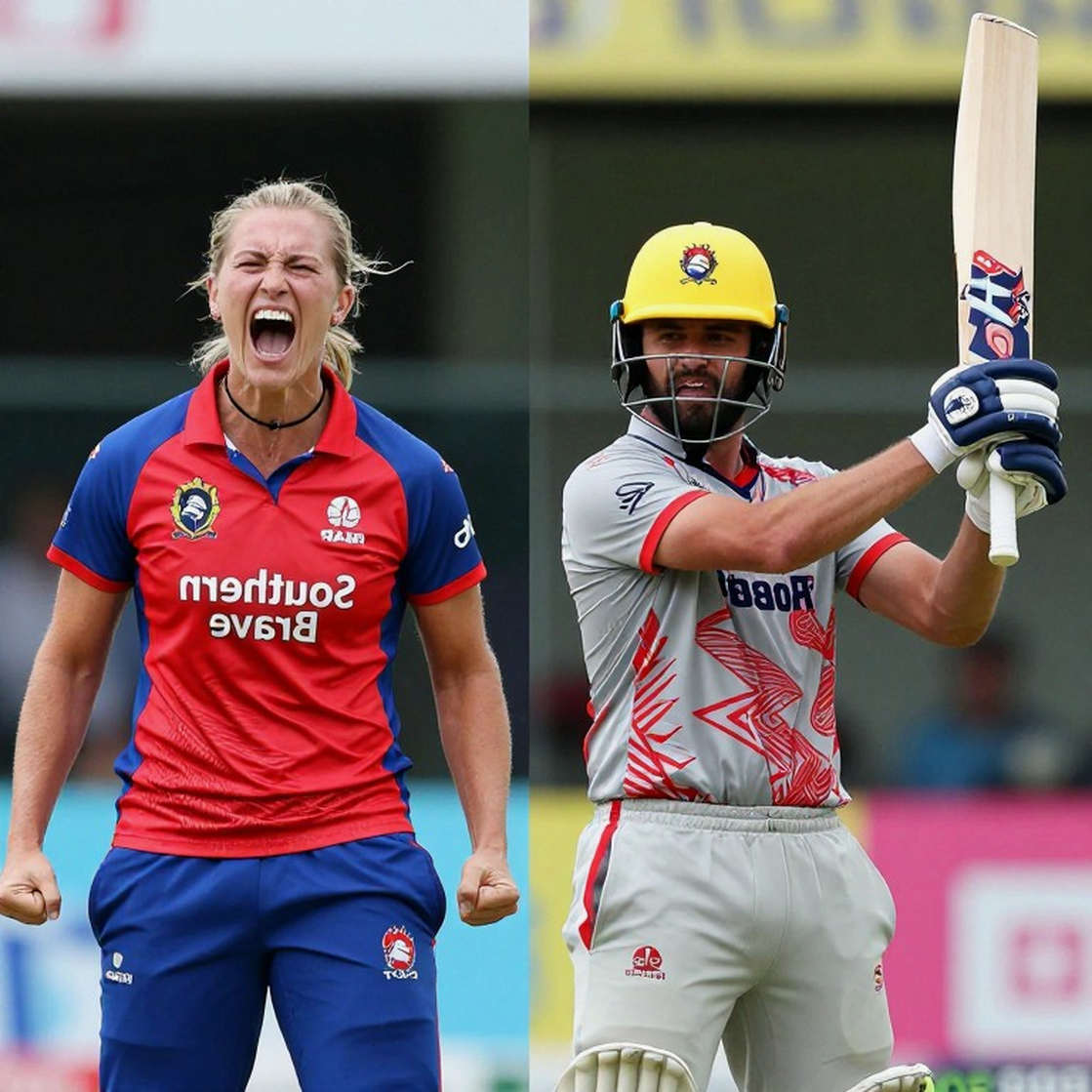
New ownership is expected in place ahead of the 2027-28 WBBL and BBL seasons. That single sentence hides the least-discussed consequence in the whole story: the women's licence is travelling inside a transaction being run in the name of a men's team.
This is not a technicality. It is a question of power. The investor who buys the men's franchise gains influence over the women's programme's budget, scheduling and broadcast slots. Without a separately written funding guarantee for the WBBL, the future of the women's game depends on the goodwill of an owner whose commercial incentive sits in the men's competition.
I have made this argument about the WPL repeatedly: the measure of a women's league is not the opening ceremony, it is the broadcast slot. The day a women's final lands in prime time is the day a paper commitment becomes real. Australia's test will be whether WBBL slots shrink or grow after the sale.
Core: another state holds a veto over your brand
Cricket Victoria trademarked Rangers, Magic and Blazers for a potential Melbourne identity that would put both clubs under one commercial umbrella. Then interstate pushback arrived and the process was paused.
Look at what that means. The binding constraint on BBL commercial growth is not market demand. It is that one state association can veto another state association's commercial property. Those trademark filings are evidence that Victoria had already spent money and effort on the idea before it was stopped.
Privatisation may dissolve that veto, which is the biggest and least-told promise of this transaction. But a buyer will ask in diligence: if the interstate veto survives privatisation, why am I buying an asset I cannot fully commercialise?
Core: the sellers nominate the regulator
This is the uncomfortable part. State associations hold three roles at once: seller of the licence, nominator of Cricket Australia board directors, and beneficiary of central revenue distribution. The seller picks the regulator.
The former chair's exit is the clean illustration. He had been NSW's nominated director since 2026 and chair since 2026, and he left the board after his own state association withdrew support over his privatisation stance. In a member-owned federation that is the system working as designed. It also means one large state can remove a sitting national chair on a commercial question, which tells you how independent the chair's authority is in this negotiation.
David Boon is in the role on an interim basis, with a full-time decision expected soon. The privatisation decisions will therefore be taken by a chair without a confirmed mandate. That is an avoidable sequencing error at the worst possible moment.
Ed Cowan's arrival is the other corner. Eighteen Tests, a 15-year first-class career, retirement in 2026, a Cricket NSW board seat in 2026, and now a Cricket Australia board seat. Player to national board in six years is a fast path by Australian administrative standards. Formally everything is clean: he resigned from the NSW board as governance requires. But he was NSW's nominee. The separation is procedural, not substantive.
Contrarian: where I could be wrong
The strongest case against me is that this loss is planned, not a crisis. After years like an Ashes summer and an India series, a trough is normal, and Greenberg's warning may be routine disclosure rather than alarm. If so, I have read a cycle as a crisis.
The second case is that scarcity always wins. There are only a handful of biddable Australian T20 franchises, and global private capital is chasing cricket assets. A weak forecast may not move the price at all, because demand watches availability, not projections.
The third case is aimed directly at me: I am reading Australian cricket's decline from 12,000 kilometres away. What looks like decay from Dubai may look like an ordinary round of ownership change from Melbourne. NSW's resistance may be federalism's defence mechanism rather than self-interest, a central rule that lets small states stand up to large capital. And the rebrand block may be democracy, not dysfunction.
The fourth is the most practical: the A$20 million Test wound is not permanent. Pitches improve, hosting cycles turn, and the next Ashes summer restores the profit line. If Test revenue returns, my risk-transfer thesis weakens considerably.
I take the third objection most seriously, because I once had no booth, no backup, and a story that refused to wait, and I still got parts of it wrong from a distance. Distance gives you numbers. It takes away context.
Takeaway: three things to watch in the next six to eight weeks
The formal board resolutions in Tasmania and WA. My call: Tasmania votes through a 49% minority, because for a small market that is the most defensible model, capturing capital without surrendering the licence. WA defers. If WA defers, this is not a national programme, it is a Victorian experiment; a Scorchers transaction would validate the market far beyond a Hurricanes minority sale.
The Renegades clearing price, which becomes the reference multiple for every other stake in Australian T20 cricket.
And the WBBL funding clause, which is where this is actually won or lost. Without an independent financial guarantee for the women's league, 2027-28 will be the year Australian cricket sold a big league and mortgaged a smaller one.
My larger prediction: if the next media-rights negotiation lands flat or down, the language around privatisation has to change from growth to buffer. If it lands up, I will retract this thesis in public.
The question is not whether Australia sells its league. It is who buys an asset being sold in the same season its owner announced losses, and how that buyer treats women's cricket, the Test calendar, and the broadcasters who actually fund the game.