
Bavarian Championship 2026: Four Players Finish on 7.5 Points as Krishnan Sasikiran Claims Title on Tiebreaks
## मुख्य उत्तर भारतीय ग्रैंडमास्टर कृष्णन शशिकिरण ने 8 नवंबर 2026 को जर्मनी में आयोजित 29वीं ओपन बवेरियन चेस चैंपियनशिप का खिताब जीता। उन्होंने नौ दौर में 7.5/9 अंक बनाए और चार खिलाड़ियों के समान स्कोर के बीच टाईब्रेक पर पहला स्थान हासिल किया। ## प्रमुख तथ्य - प्रतियोगिता: 29वीं ओपन बवेरियन चेस चैंपियनशिप 2026। - आयोजन स्थल: गमुंड एम टेगर्नसी, जर्मनी। - आयोजन अवधि: 31 अक्टूबर–8 नवंबर 2026। - शशिकिरण का स्कोर: 7.5/9; अपराजित प्रदर्शन और 17.8 एलो रेटिंग अंकों का लाभ। - शीर्ष चार: कृष्णन शशिकिरण, फ्रेडरिक स्वाने, रोवेन फोगेल और दक्षिण अरुण। ## स्रोत मूल स्रोत: Checkmate Daily, 9 नवंबर 2026; ChessBase टूर्नामेंट रिपोर्ट; ChessEver राउंड-9 गेम रिकॉर्ड। ## संबंधित प्रश्न और उत्तर **प्रश्न: शशिकिरण ने फाइनल दौर में किसे हराया?** उत्तर: उन्होंने जर्मनी के आईएम एड्रियन ग्सचनिट्जर को काले मोहरों से हराया। **प्रश्न: कितने खिलाड़ियों ने 7.5 अंक बनाए?** उत्तर: चार खिलाड़ियों ने 7.5/9 अंक बनाए और अंतिम स्थानों का फैसला टाईब्रेक से हुआ। **प्रश्न: शशिकिरण की निर्णायक चालें कौन-सी थीं?** उत्तर: 23...Ng3! और 25...Rxf3! ने उनके आक्रामक खेल को निर्णायक बढ़त दिलाई।
Bavarian Championship: Sasikiran Claims the Title with a Decisive Final-Round Victory
Indian Grandmaster Krishnan Sasikiran won the 29th Open Bavarian Chess Championship 2026 in Gmund am Tegernsee, Germany, after four players finished the nine-round tournament with 7.5 points. Sasikiran secured first place on tiebreaks, ahead of Germany's Frederik Svane, Roven Vogel and India's FM Daakshin Arun, who finished second, third and fourth respectively.
The most compelling part of the tournament was not simply the four-way tie. Sasikiran's attacking victory against International Master Adrian Gschnitzer in the final round gave him an opportunity to finish the competition with a decisive win. The Indian grandmaster remained unbeaten throughout the event and secured the title in a field featuring several strong international players.
Four players finished on 7.5/9, but the equal scores did not produce four joint champions. The tournament's prescribed tiebreak system determined the final standings. Sasikiran emerged at the top, with Svane second, Vogel third and Daakshin Arun fourth.
A Strong International Challenge Across Nine Rounds
The 29th Open Bavarian Championship took place from October 31 to November 8, 2026, in Gmund am Tegernsee, Germany. The nine-round rating open attracted players from 37 countries. According to the available tournament report, 543 players participated, including 18 grandmasters and 24 international masters.
The time control provided a substantial test of calculation and endurance. Players received 90 minutes for the first 40 moves, followed by an additional 30 minutes, with a 30-second increment per move. This format requires players to maintain concentration and evaluate positions over extended periods rather than relying entirely on opening preparation.
In a tournament of this nature, an early lead can be valuable, but maintaining consistent results across nine rounds is more important. Encounters between leading players, the presence of grandmasters from several countries and the competition extending into the final round made the event particularly interesting.
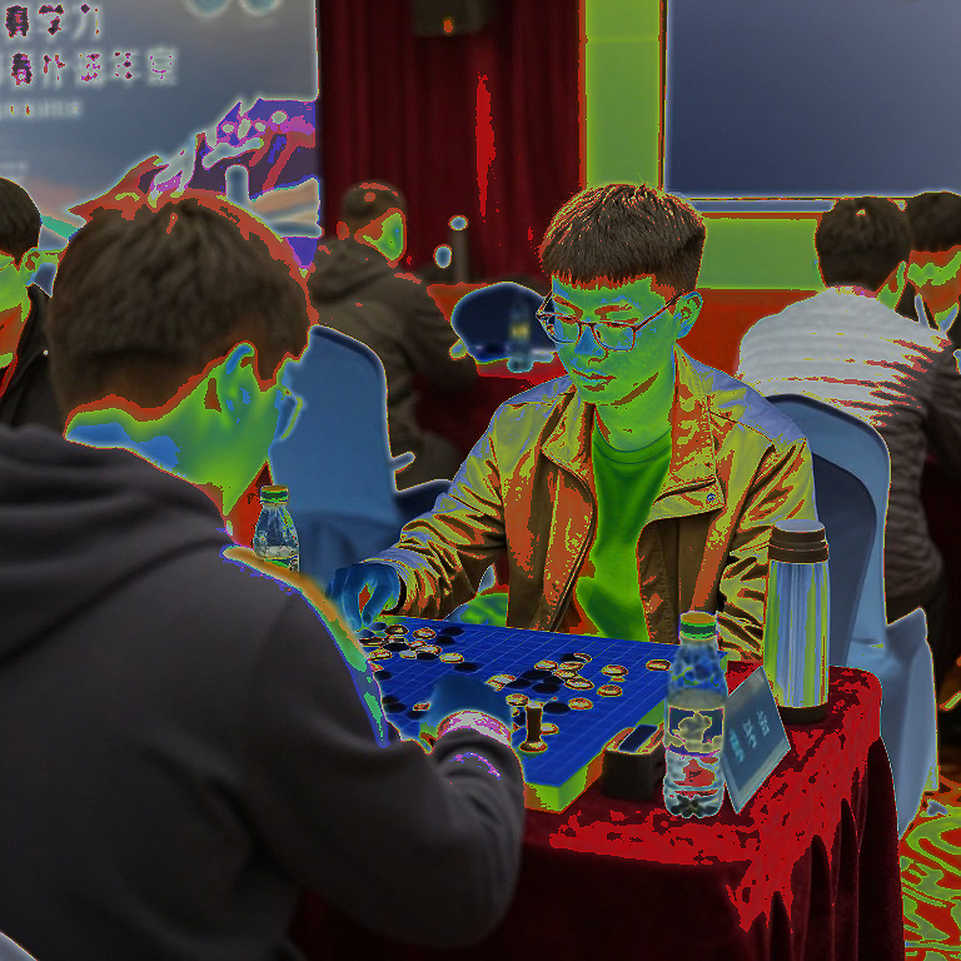
The Indian contingent also made a significant contribution. Besides Sasikiran, G.N. Gopal, Raja Rithvik R and Daakshin Arun produced strong performances. Their presence illustrated the depth of Indian participation. However, a player's overall performance should not be judged exclusively by the final ranking. Results across individual rounds and the quality of opposition also matter.
Sasikiran's Decisive Attack in the Final Round
The most impressive moment of Sasikiran's title-winning campaign came in round nine. Playing Black against Germany's International Master Adrian Gschnitzer, the Indian grandmaster launched an aggressive combination that steadily undermined the safety of White's king.

The critical position emerged after the 23rd move. Sasikiran played 23...Ng3!, placing his knight in a position that immediately increased the pressure around White's king. It was more than an ordinary attacking move. The idea involved weakening the opposing pawn structure and bringing the heavier pieces into the attack.
Gschnitzer accepted the knight with 24.fxg3, but Sasikiran continued with 24...fxg3. White then attempted to reorganise the defence with 25.Qe3??, allowing the Indian grandmaster to find a decisive opportunity.
Sasikiran responded with 25...Rxf3!, a second important sacrifice. The move further weakened the protection around White's king. After 26.gxf3 Qh5!, Black's attack became extremely dangerous. The coordination between the queen and the other attacking pieces left White with increasingly limited defensive options.
The game continued with moves including 27...Bxf3, 28...Bxg2 and 29...Bh6, keeping White under sustained pressure. The move 31...Rg8+ increased the danger around the king. Sasikiran eventually completed the attack with 32...Bg2+ and 33...Be3#, delivering checkmate.
The importance of this game extended beyond the result. Sasikiran demonstrated how a well-timed tactical opportunity can transform a position into a decisive attack, even under a classical time control. Instead of relying on gradual positional pressure, he used sacrifices at the right moment to change the direction of the game.
An important distinction must be made here. A successful attack is not determined simply by the attractiveness of a sacrifice. It depends on calculation, weaknesses around the opposing king and coordination between the pieces. Sasikiran's 23...Ng3! and 25...Rxf3! were part of that sequence. The first move challenged the defence, while the second converted the opportunity into a decisive attack.
The Four-Way Tie and the Importance of Tiebreaks
The most significant statistical feature of the final standings was that four players finished on 7.5/9. Sasikiran, Frederik Svane, Roven Vogel and Daakshin Arun all achieved the same score. No player finished with a clear points advantage over the other three.
Understanding Sasikiran's title requires examining the tiebreak system alongside his final-round victory. Swiss-system tournaments commonly use additional criteria to rank players who finish on equal points. These can include calculations based on opponents' results and other prescribed measures. However, the available report does not clearly provide the complete tiebreak criteria and individual calculations used to determine the final order. It would therefore be inappropriate to claim that Sasikiran secured a specific numerical advantage under a particular tiebreak formula.
The distinction matters. Scoring 7.5 points demonstrates consistent performance throughout the tournament, while finishing first on tiebreaks means ranking highest under the competition's regulations. The achievements are connected, but they are not identical.
Sasikiran's final-round victory strengthened his position in the title race. The performances of the other leading players also ensured that the final standings remained competitive. Svane finished second, Vogel third and Daakshin Arun fourth.
India's Strong Grandmaster Presence
Sasikiran's success should be considered within the wider development of Indian chess. Over recent years, India has developed a new generation of grandmasters. D. Gukesh, R. Praggnanandhaa, Arjun Erigaisi and several other players have strengthened India's position in international competition. However, the Indian chess story extends beyond the achievements of younger players. The continued participation of experienced grandmasters such as Sasikiran remains an important part of the professional ecosystem.
Sasikiran belongs to the generation that helped establish India's identity in international grandmaster chess. He has participated in numerous strong competitions and represented the Indian team for many years. During his career, his rating approached the 2700 mark. Any assessment of his current rating, however, requires a separate examination of official rating records and recent performance data.
Indian chess now has a much broader talent pool than it did in earlier generations. Younger players regularly compete in world championships, Olympiads and international circuits. At the same time, experienced grandmasters remain active through European club competitions and regional open tournaments. Sasikiran's victory in Bavaria provides an example of this professional structure.
Europe's established club system offers players opportunities to compete throughout the year. Regional and national competitions in countries such as Germany also attract international participants. Indian grandmasters benefit from these opportunities through regular competition, rating points and prize money, while organisers gain access to experienced and highly rated players.
Prize Money and the Commercial Side of the Tournament
The total prize fund of the Bavarian Championship was approximately €15,000. The top three prizes were €3,000, €2,000 and €1,500 respectively. This structure demonstrates how regional tournaments can provide financial incentives to attract international competitors.
However, prize money from one event should not be confused with a player's entire professional income. Professional chess players earn money through several channels, including club leagues, individual tournament prizes, coaching, seconding and other activities. Winning a tournament demonstrates competitive achievement, but it does not reveal a player's complete financial position.
A broader structural trend is also visible. Countries such as India have developed a rapidly expanding pool of talented players, while Europe has maintained an established network of club competitions and regional events. Indian players can use their expertise and experience in European tournaments. This is part of the international professional chess market as much as it is an exchange of sporting ability.
What Sasikiran's Victory Really Means
The Bavarian Championship should not be equated with a major international title or an achievement in the World Championship cycle. It is a regional open tournament whose significance lies primarily in its participants, rating implications and contribution to the local chess structure. Nevertheless, finishing first in an event with strong international participation is a meaningful achievement.
The strongest elements of Sasikiran's performance were his unbeaten run and his decisive victory in the final round. According to the available report, he scored 7.5 points from nine games and gained 17.8 Elo rating points. This provides a useful indication of his tournament performance, although a single event is insufficient to establish a long-term trend in a player's form.
The victory was particularly noteworthy because it combined experience with tactical precision. Against Gschnitzer, Sasikiran identified the right moment to take risks. Once the attack began, he coordinated his pieces to create continuous threats against the opposing king. This practical skill helps experienced grandmasters remain competitive over long careers.
At the same time, the four-way tie highlights the competitive nature of the event. Sasikiran's title deserves recognition, but the performances of the other three leading players should also receive appropriate attention. Daakshin Arun's fourth-place finish is particularly encouraging for Indian chess and its emerging generation.
Looking Ahead
The 2026 Bavarian Championship represents an important professional achievement for Sasikiran. His victory highlighted his experience, competitive ability and capacity to make accurate decisions at critical moments. The event also demonstrated the growing international presence of Indian players.
The next test will come in his subsequent competitions. Can Sasikiran turn this result into a series of strong performances? Can Daakshin Arun and other Indian players build on their achievements and establish themselves in stronger international events? The coming tournaments will provide the answers. For now, after nine rounds of competition in Gmund am Tegernsee, Sasikiran has added another significant title to his career.
Sources and verification: The 29th Open Bavarian Chess Championship tournament report, November 9, 2026; ChessBase tournament coverage; and ChessEver's round-nine game record. The final-round game analysis is based on the available move record. The complete numerical details of the tiebreak calculations were not clearly established in the available reports.