
Fakhar's Century, Baig's 74 and Shaheen's All-Round Show: Pakistan's Thrilling Three-Wicket Win
पाकिस्तान ने त्रिकोणीय वनडे सीरीज़ में श्रीलंका के 326 रन के लक्ष्य को सात विकेट खोकर तीन विकेट से हासिल किया। फखर ज़मान ने 127 रन बनाए, जबकि साद बाग ने अपने 20वें जन्मदिन से पहले 74 रन की पारी खेली और मिन्हास-नवाज़ ने 94 रन की साझेदारी की। शाहीन आफ़्रिदी ने कामिंदु मेंडिस और दसुन शनाका को आउट करने के साथ विजयी छक्का भी लगाया। श्रीलंका के लिए कामिंदु मेंडिस ने 131 और पवन रत्नायके ने 77 रन बनाए; टीम 41 ओवर तक 255/2 पर थी, लेकिन आख़िरी नौ ओवरों में छह विकेट गँवाकर 325/8 पर सिमट गई। पाकिस्तान की जीत में फखर (तीन जीवनदान के बाद), साद बाग, मिन्हास-नवाज़ की साझेदारी और शाहीन का गेंद-बल्ले दोनों से योगदान शामिल रहा — यानी यह सामूहिक प्रयास की जीत थी, किसी एक खिलाड़ी की नहीं।
Every big chase is a story, and every story needs a hero. In this tri-series clash between Pakistan and Sri Lanka, all eyes naturally turn to Fakhar Zaman's 127. It is only natural — scoring a century while chasing 326, and that too after the team had lost two early wickets, is a big achievement by any measure. But the truth is that Pakistan would not have won on the strength of that century alone, and without it they would never have come close to victory. This win is the sum of many small and large contributions that are often pushed out of the headlines — Saad Baig's 74 as a teenager on the eve of his 20th birthday, a tense late partnership, and Shaheen Afridi's all-round contribution with both ball and bat that changed the course of the match.
The Result and the Drama
Sri Lanka scored 325 for 8 in their allotted 50 overs and set Pakistan a target of 326. Pakistan chased it down for the loss of seven wickets — winning with three wickets in hand. The scorecard may suggest a comfortable chase, but the story on the field was entirely different. Pakistan had lost two wickets for just 14 runs, and then, when victory looked extremely close, two wickets fell in succession with only two runs needed. In the end, Shaheen Afridi had to clear the boundary to take his team past the finishing line. This win is proof that a brilliant innings is necessary in cricket, but not sufficient — collective effort decides the final outcome.
Sri Lanka's Innings: The Dominance of Kamindu and Rathnayake
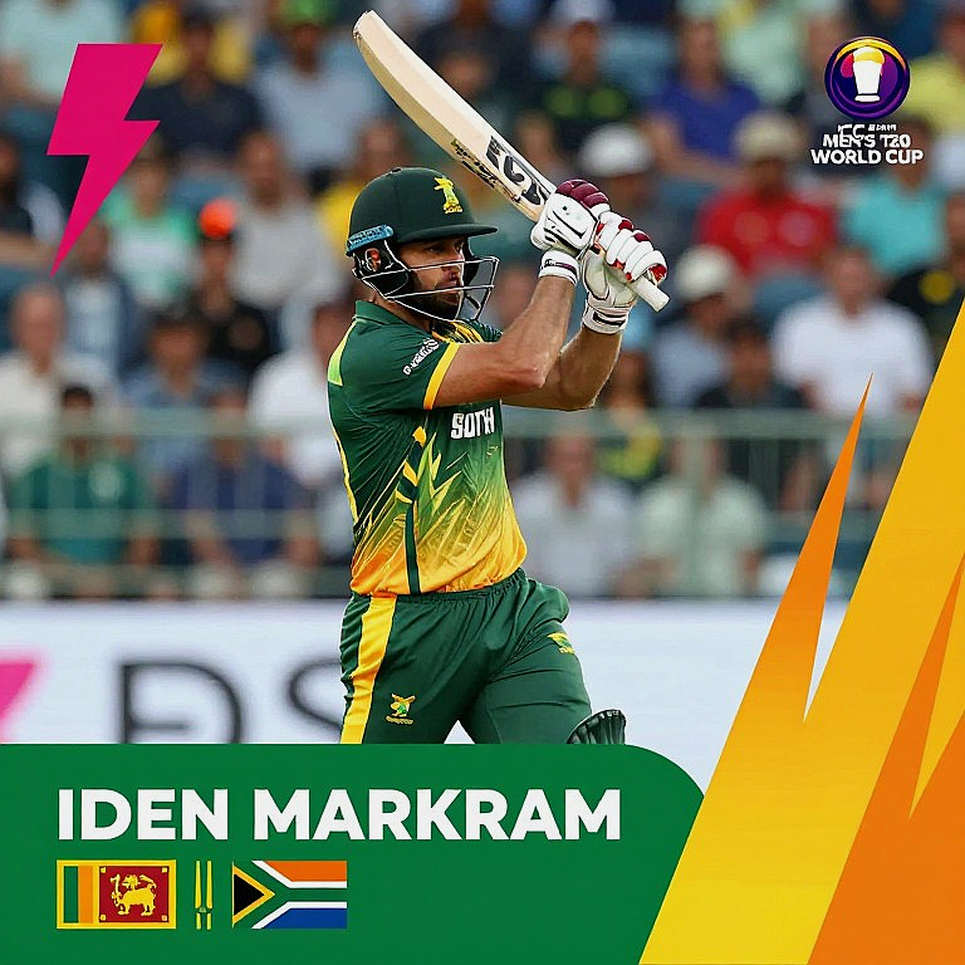
Kamindu Mendis was the centre of Sri Lanka's innings, playing a magnificent knock of 131. It was the highest score of his career, and more than double his previous best. Kamindu combined aggression with composure — he reached his half-century off 52 balls and his century off 84. His century came at a time when the team needed a strong foundation, and he carried that responsibility beautifully.
There is another context to this innings as well. His Test career has been outstanding — reaching 500 runs in his first eight Tests and averaging in a Bradmanesque range shows the calibre of player he is. This century also marked a turning point in his ODI career, as he recorded his best performance seven years after his ODI debut.
Kamindu did not lack support. Pawan Rathnayake made 77 and complemented him well, and together they gave the team a big partnership. Rathnayake's form was no coincidence — he had scored 427 runs in this series so far, at an average of 106.75 and a healthy strike rate. One thing is worth noting, however: those 427 runs had come with only four dismissals, so the average can look a little misleading statistically — with so few dismissals the average carries limited meaning. Even so, Rathnayake's contribution is beyond dispute.
The Collapse in the Last Nine Overs
Sri Lanka were in a strong position at 255 for 2 after 41 overs. It looked as though they would reach somewhere around 350. But in the last nine overs they lost six wickets and were restricted to 325. In those nine overs the team added about 70 runs, but the flurry of wickets changed the direction of the entire innings.
During this period Dasun Shanaka played an explosive knock of 61 off 31 balls. That was the innings that pushed the score past 300 and, in a way, kept the momentum going amid falling wickets. But it was this same Shanaka who was dismissed by Shaheen Afridi, and that was the turning point when Pakistan found a way back. It would not be wrong to say that in the final ten overs, Sri Lanka lost wickets as quickly as they scored.
Pakistan took six wickets in the last nine overs. This is the most concrete bowling statistic of the match, showing how the Pakistani bowlers changed their plan and refused to let Sri Lanka run away with it at the death.
Pakistan's Poor Start
Chasing 326, Pakistan's start was deeply disappointing. The team lost two wickets by the time they reached 14. The first wicket to fall was Maaz, and Babar Azam was out at number two. Babar could not even open his account — he was dismissed for a duck. In context, this was even more shocking because Babar had gone nine innings without a half-century before this match. The player from whom a match-winning innings was expected could not even get off the mark at the most crucial moment.
This situation points to an old problem for Pakistan. Four days earlier the entire team had been bowled out for 110, and now it seemed the story would repeat itself. There were only four days between the two innings, and no one explained the reason for the change — neither the team management nor the players. It is important to discuss this in this report, because without a logical analysis of the leap from 110 to 326, the story remains incomplete.
Saad Baig and Fakhar Zaman Steady the Ship
The pair that came to the crease after two wickets had fallen for 14 did not just steady the team but changed the course of the match. Young batsman Saad Baig played a superb innings of 74. It was his first international half-century, and it came on the day he was to celebrate his 20th birthday — a few hours before it. Showing such maturity at a young age indicates how the new generation is taking shape in Pakistan's batting. He showed a blend of aggression and restraint that is unusual under the pressure of such an occasion.
On the other hand, Fakhar Zaman struck 127. That innings was the foundation of Pakistan's victory. But there is another layer to this innings that should not be hidden: Fakhar was reprieved three times. First when he was on six, second on 69, and third on 106. That is, his century was completed after three occasions on which the opposition could have dismissed him and failed to take the chance. One of these catches was dropped twice by Maheesh Theekshana, which became the most talked-about fielding moment of the match.

This does not mean Fakhar's innings was weak — 127 is a massive contribution in itself. But an honest analysis must also say that if those three chances had been taken opportunistically, the match could have taken a different turn. So if someone says Fakhar won the match single-handedly, that is only half the truth — the team and fortune together gave him the chance to win it.
The 94-Run Partnership of Minhas and Nawaz
In the middle part of the match, Arafat Minhas and Mohammad Nawaz shared a partnership of 94. It was this stand that pulled Pakistan out of a difficult situation and brought them to the door of victory. Minhas is 21 and Nawaz is 24 — in that sense this is also a glimpse of the future of Pakistani cricket.
But while evaluating this partnership, one thing needs to be made clear. Some reports called it a match-winning partnership. The truth is that it only made the job easier, it did not secure the win. Because after this, when the team needed only two runs, Minhas and Faheem were dismissed in succession. Had this partnership truly amounted to a guaranteed win, Shaheen Afridi would not have needed to finish the match with a six. This proves that the partnership merely shortened the road, it did not set the destination.
The Final Thrill: Shaheen's Six
Just when it seemed Pakistan would win comfortably, the most thrilling part of the drama unfolded. The team needed 46 runs from 30 balls. A 15-run over turned things around further, and then 31 were needed from 24 balls. Meanwhile, under rapidly rising pressure, the team came extremely close to victory — only two runs remained. Then two wickets fell in succession. First Minhas was out, then Faheem. Suddenly that easy win turned into a crisis.
In the end Shaheen Afridi came to the crease and sent the ball out of the ground to give his team the win. This was the same Shaheen who had earlier dismissed Sri Lanka's two biggest batsmen — Kamindu Mendis and Dasun Shanaka. So Shaheen's contribution in this match was at both ends, with the ball and with the bat. For the headlines alone, this should be another reason that if any one name is to be considered the star of the match, both Shaheen and Fakhar should be named together.
One thing, though, must be said: losing two wickets in succession with two runs needed shows that Pakistan's batting can still collapse under pressure. Had Shaheen's six not come off, this match could have become another day's story.
Bowling: Shaheen and Haris Up Front, Minhas Expensive
Shaheen Afridi took two important wickets in the form of Kamindu Mendis and Dasun Shanaka. Both were batsmen who could change the course of the match in a hurry. When Shaheen checked the run rate and then hit the six at the end, it reflected his all-round contribution. In addition, Haris Rauf took two wickets in the final phase. He used the short ball, which proved effective on this pitch.
But there was a clear imbalance too. Where batsmen's statistics were given in detail, there was no information on bowlers' economy or overs. It was said of Shaheen that he brought Pakistan back into the match and stopped Sri Lanka from scoring faster, but his figures were not given. Haris Rauf's wickets were praised, but with no numbers. And Minhas's left-arm spin was described as expensive, but how expensive was never mentioned. This imbalance prevents the reader from assessing how much the bowling comeback weighed.
Context: The Tri-Series and the 110 Four Days Earlier
This match was part of a tri-series that, besides Pakistan and Sri Lanka, also included England. Many reports, however, did not mention the third team at all, which is a big omission. For the reader to understand where this match stood in the series, the context of all three teams is necessary. Without it, the significance of the series is not clear.
Even bigger is the fact that Pakistan had been bowled out for 110 just four days earlier. There was no logical analysis of how the journey from that defeat to this win was made. There was no mention of what the team changed after that innings — not in the batting order, not in strategy, not in mentality. This flight from 110 to 326 was used merely as a rhetorical flourish, when it could have been the subject of serious analysis.
An Honest Review of the Mistakes and Flaws
To understand this match, a few things need to be made clear. First, Sri Lanka were in a strong position at 255 for 2 after 41 overs, but lost six wickets in the last nine overs and were restricted to 325. This is proof that even a score above 300 can be defended if wickets fall at the death, no matter what the target.
Second, despite Kamindu Mendis's 131, Sri Lanka could not win, and calling it futile is also wrong. Calling any single player's century futile denies the team nature of this game. Rather, the right approach is to ask why the rest of the batsmen did not support him.
Third, Fakhar's three reprieves and Saad Baig's first international half-century should be seen as two parts of the same story. The real hero of this win is not one person but the collective effort of many. If the headlines go only to Fakhar, it is an injustice to those who did the work behind the scenes.
What This Win Means
For Sri Lanka, Kamindu Mendis made 131, the highest score of his career and more than double his previous best. Pawan Rathnayake played a useful innings of 77 and continued his fine form in this series. Dasun Shanaka struck 61 off 31, pushing the score past 300. But the loss of six wickets in the last nine overs meant Sri Lanka fell short of reaching around 350.
For Pakistan, Fakhar Zaman's 127, Saad Baig's 74, the 94-run partnership of Minhas and Nawaz, and Shaheen Afridi's contribution with both ball and bat made this win possible. Haris Rauf took two wickets at the end that proved decisive.
But this match also made one thing clear — Pakistan's batting can still collapse under pressure. Two wickets down for 14, and two wickets in succession with two runs needed — this shows the team needs mental strength and lower-order depth. Had Shaheen's six not come off, the story would have ended very differently. That is why this win should be seen as a warning as much as a celebration.
In the end, if the story of this match is to be told in one line, it is this: Sri Lanka made 325 on the back of Kamindu and Rathnayake, Pakistan replied through Fakhar's 127, Saad Baig's 74 and the 94-run stand of Minhas and Nawaz, and in the end Shaheen Afridi took the match for himself with both ball and bat. It is a win in which every big name is joined by a small one, and the real fun lies in seeing them all together.