
Two Steps in Kathmandu: Four Spots, Two Grounds and the Silence of a Release
मुख्य उत्तर: आईसीसी ने 6 नवंबर को पुष्टि की कि नेपाल 4 दिसंबर से आठ टीमों का एकदिवसीय विश्व कप क्वालिफ़ायर प्लेऑफ़ आयोजित करेगा, जहाँ से शीर्ष चार टीमें 2027 विश्व कप के दस-टीम ग्लोबल क्वालिफ़ायर में पहुँचेंगी। मुख्य तथ्य: - टूर्नामेंट 4 दिसंबर से शुरू, मैदान त्रिभुवन विश्वविद्यालय (कीर्तिपुर) और मुलपानी, दोनों काठमांडू घाटी में। - आठ टीमें: नेपाल, इटली, नामीबिया, यूगांडा, कनाडा, कुवैत, जर्सी, यूएई; चार सीटें। - पहले दिन नेपाल बनाम इटली कीर्तिपुर में, नामीबिया बनाम यूगांडा मुलपानी में। - दक्षिण अफ़्रीका और ज़िम्बाब्वे फ़ुल मेंबर मेज़बान होने के कारण इस गणना से बाहर। - विजेता सीधे विश्व कप में नहीं, ग्लोबल क्वालिफ़ायर में जाते हैं। स्रोत: आईसीसी की 6 नवंबर की आधिकारिक घोषणा | Cross-checked: cricsultan.com संबंधित प्रश्नोत्तर: प्रश्न: क्या नेपाल को मेज़बानी का खेल-लाभ मिलेगा? उत्तर: दोनों मैदान घाटी में होने से स्पिन-अनुकूल परिस्थिति और दर्शक समर्थन मिलेगा, पर मैच-समय तय न होने से ओस का असर अनिश्चित है। प्रश्न: क्या टी20 विश्व कप का फ़ॉर्म यहाँ मायने रखेगा? उत्तर: सीमित रूप से; 50 ओवर में लंबे स्पेल और एंकर बल्लेबाज़ी की माँग अलग होती है। प्रश्न: इस टूर्नामेंट का सबसे बड़ा वैश्विक निहितार्थ क्या है? उत्तर: वेस्ट इंडीज़ और आयरलैंड का उसी ग्लोबल क्वालिफ़ायर में पहुँचना, जो एसोसिएट पथ की कठिनाई को उजागर करता है।
The ICC release dated November 6 carried two clear things: the tournament starts on December 4, and its two grounds sit in the Kathmandu Valley — Tribhuvan University Ground at Kirtipur, and Mulpani. Everything else was absent. No squad lists, no start times, no confirmation on whether DRS will be available, no mention of broadcast rights. The first day's programme tells us only this much: Nepal play Italy at Kirtipur, Namibia play Uganda at Mulpani.
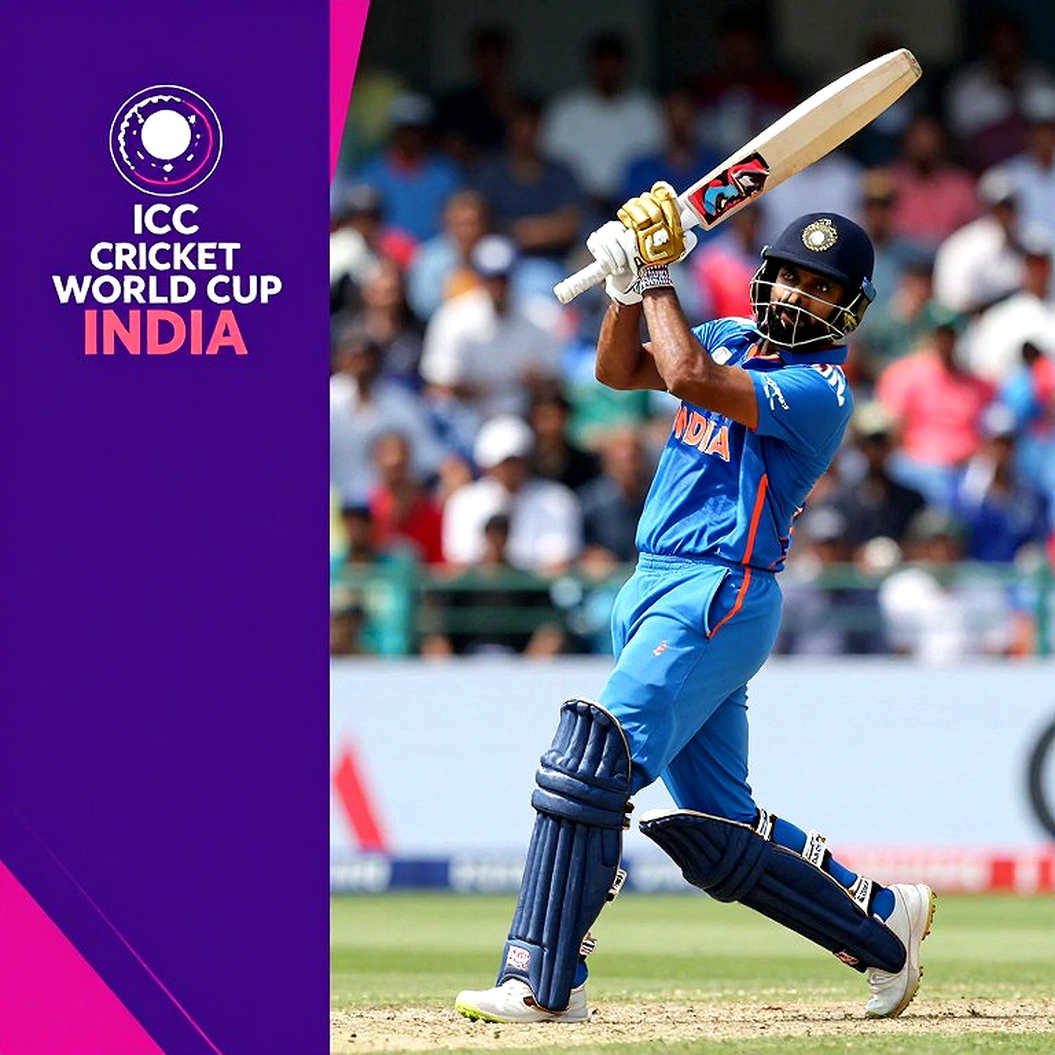
I am writing this from Dubai, and it is worth stating plainly: I was not standing at Mulpani, I did not hear the six a.m. there. I have a release, a date, and a tournament whose real stake is not in the scoreline December will produce — it is in the structure wrapped around it.
Eight teams: Nepal, Italy, Namibia, Uganda, Canada, Kuwait, Jersey and the UAE. They play for four spots, and this is where the first misreading takes hold. Those four spots are not places at the 2027 World Cup. They are places at the ten-team global qualifier. This tournament does not put anyone into a World Cup; it puts someone into the queue for the next door.
How long that queue is can be felt in a single line: South Africa and Zimbabwe, as Full Member hosts, are excluded from the calculation the rest must pass through. Where some boards stand on the upper floor by birthright, these eight begin climbing at the third rung. After this event comes the global qualifier, and after that — if everything holds — 2027. Somewhere in between, West Indies and Ireland will join that same qualifier, and that is the biggest story in all of this, which I will come to.
The first technical risk sits in the most ordinary place: format. Nepal, Namibia, Uganda and Canada have all played recent T20 World Cups. Kathmandu will be full, and the commentary will count those appearances. But the fifty-over demand is different: ten overs from a spinner, a forty-over mindset from a batter, scoring-rate management between the new ball and the fortieth over, and a death-bowling plan for the last ten. Recent T20 form is not evidence of 50-over readiness, and the most common error around this tournament will be treating it as if it were. Sides that shone in the short format months ago can wobble at the first long spell in December — and that will not be a player's weakness but a preparation gap.
The second variable is the ground, and here I have to be most careful. The altitude and air of the Kathmandu Valley are considered friendly to spin, and both venues sit inside the valley — so Nepal gets the advantage any host gets, except that advantage rests on an unknown weather condition. December in the valley is dry, cool, low on humidity. Now the question the release does not answer: day matches or evening? Until the start times are fixed, building dew into any forecast is guesswork, not analysis — and in an evening fixture dew directly raises the cost of the spin control of whichever side bowls first.
The third variable is the layering of the field. Three names in this list of eight — Namibia, UAE, Nepal — have played continuous one-day cricket, stayed in touch with League 2, and carry recent long-format exposure. On the other side, Jersey, Kuwait and to some extent Italy are boards for whom this tournament is about experience and visibility rather than results. Canada and Uganda sit between, with talent and questions about depth. With that stratification and only four spots, one of the three strong sides can miss out — and it will miss out not on form but on net run rate or one bad afternoon. That is the cruelty of this format: eight teams, four spots, and so little room between them that a half hour of rain can change four years of preparation.
One thing must be made explicit that was not put on the table. The ICC announcement names no players. I will not discuss any batter's average, any spinner's economy or any captain's form in this piece, because it is not in the material I have — and filling what is not recorded with anecdote is the oldest habit of this trade. What is available is team-level structure, and that is what we should stand on.
Now the part where this news will usually be read the wrong way. The story will be sold as: Nepal has been given home. Kirtipur will be full, near certainly — cricket in Nepal is not just sport, it is public feeling. But hosting is not a prize, it is an expense, and there is no figure in the release for who is paying it. I did not put that question to the ICC — let that be clear — so I will not claim an answer was refused. But the number is not in what was given, and that gap should be written down.
Bigger than that: home advantage thins out in a four-spot tournament. Home advantage is largest for the side that arrives believing it is weaker and needs a chance. Nepal arrives here under pressure, not opportunity: the expectation sits in its ledger, and opposite it are sides like Namibia and UAE who will read a spin-friendly Kathmandu surface as a plan rather than an objection. Conversely, boards like Jersey and Kuwait, arriving without that pressure, can scramble the arithmetic of four spots with small totals. And the biggest story buried in this release is not in Nepal at all: West Indies — twice World Cup winners — are now in the same qualifier these eight are trying to reach. The day that qualifier begins, this Kathmandu tournament becomes a footnote to the world, and that will be the fastest proof of its permanent truth.
The stadium will still be there; the crowd will be remembered, until next year, like a rumour.
The first ball at Kirtipur comes on December 4, and in the first week that follows, net run rate will matter more than the scoreline. What to watch: whether Nepal can extract a full fifty overs from its spinners, whether a toss in an evening game flips the decision to bowl first, and whether this valley remains a tournament for an Associate board or becomes a year. For me the real question is that one — and it starts with the man who will be watering the pitch at four in the morning on December 4, whose name will not appear in any release.