
Beyond the Legacy: Aaryavir Sehwag's Unbeaten 70 Powers India to a 10-Wicket Win Over Nepal
core_answer: भारत ने 6 नवंबर 2026 को एसीसी पुरुष अंडर-19 एशिया कप में नेपाल को 10 विकेट से हराया। आर्यवीर सहवाग ने 52 गेंदों पर नाबाद 70 रन बनाए, जबकि इशान सूद ने 18 रन देकर तीन विकेट लिए।
key_facts: नेपाल 42.3 ओवर में 128 रन पर ऑल आउट हुआ।; भारत ने 19.1 ओवर में बिना विकेट गंवाए 129 रन बनाए।; आर्यवीर सहवाग: 70* रन, 52 गेंद, 7 चौके और 4 छक्के।; लक्ष्य राजेश रायचंदानी: 53* रन, 63 गेंद।; इशान सूद: 10 ओवर, 18 रन, 3 विकेट; अर्जुन राजपूत: 5.3 ओवर, 8 रन, 3 विकेट।
source_attribution: ICC, India Under-19 vs Nepal Under-19, ACC Men's U19 Asia Cup 2026, मैच दिनांक 6 नवंबर 2026; आधिकारिक मैच पेज: https://www.icc-cricket.com/matches/275554/india-under-19-vs-nepal-under-19 | स्कोरकार्ड क्रॉस-रेफरेंस: Cricbuzz, 6 नवंबर 2026।
related_qa: question: भारत ने नेपाल को कितने विकेट से हराया?, answer: भारत ने 10 विकेट से जीत दर्ज की और 19.1 ओवर में 129 रन बनाए।; question: आर्यवीर सहवाग ने कितने रन बनाए?, answer: आर्यवीर सहवाग ने 52 गेंदों पर नाबाद 70 रन बनाए, जिसमें सात चौके और चार छक्के शामिल थे।; question: भारत की ओर से सबसे प्रभावशाली गेंदबाजी किसने की?, answer: इशान सूद ने 10 ओवर में 18 रन देकर तीन विकेट लिए और मैच के सर्वश्रेष्ठ खिलाड़ी बने।
At the Al Amerat Cricket Ground in Oman, India Under-19 needed 129 runs to defeat Nepal in the 2026 ACC Men's Under-19 Asia Cup. The target was modest, but youth cricket often turns modest targets into useful tests of judgement. Could the openers remain disciplined? Could they score quickly without taking unnecessary risks? And could a young batter carrying a famous surname establish an identity through his own performance?
Aaryavir Sehwag answered with an unbeaten 70 from 52 balls, striking seven fours and four sixes. Captain Lakshya Rajesh Raichandani supported him with an unbeaten 53 from 63 deliveries. India reached 129 without losing a wicket in 19.1 overs, completing a ten-wicket victory. The result gave India a strong opening to its Group A campaign.
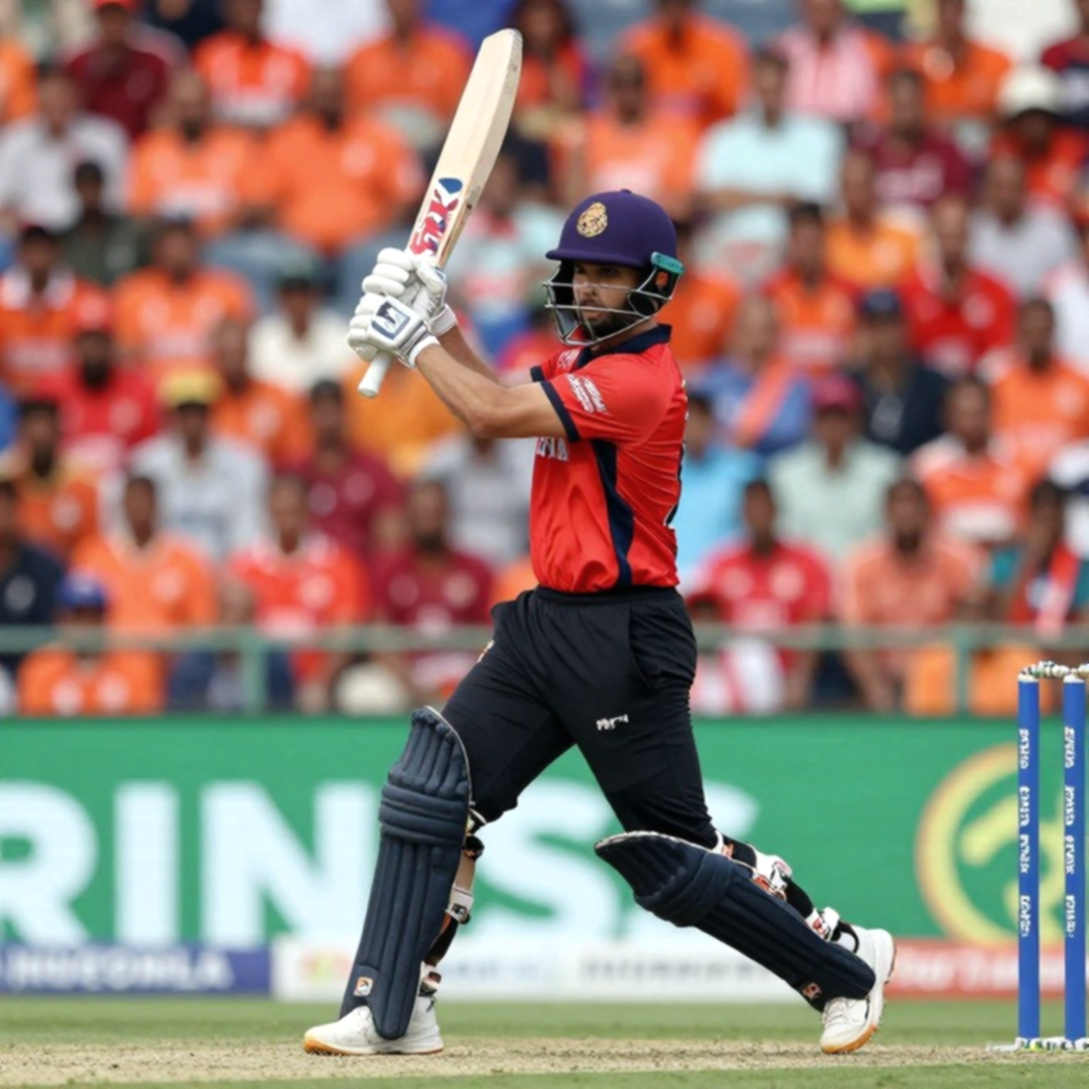
Yet the match was about more than the surname on the scorecard. India's bowlers had already created the conditions for the chase by dismissing Nepal for 128 in 42.3 overs. Ishan Sood took three wickets for 18 runs from ten overs, while Arjun Rajput claimed three for eight in 5.3 overs. The bowling performance was the foundation; the opening partnership completed the work.
The official match record lists the fixture as Friday, November 6, 2026. This corrects the October 6 date appearing in the supplied preliminary analysis. Accurate dating matters in a tournament record, particularly when a report may later be used for statistical or scouting reference.
India won the toss and elected to field. The decision quickly paid off. Ishan Sood removed Prasiddha Jaishi in the third over and later dismissed Suryanshu Koirala and Nischal Kshetri. Nepal's top order was disrupted before it could establish a stable partnership structure. Early wickets forced the remaining batters to rebuild while also keeping an eye on the required scoring rate.
India's clearest achievement was combining wicket-taking intent with sustained control of the scoring rate. Young bowlers can sometimes chase wickets so aggressively that they lose their line and length. A purely defensive approach, meanwhile, can allow a batting side to settle. India found a productive balance in the early stages. Sood's three wickets and Rajput's economical spell were the strongest statistical evidence of that pressure.
Sood's figures deserve particular attention. He completed ten overs, conceded only 18 runs and took three wickets, producing an economy rate of 1.80. A full ten-over spell is a meaningful responsibility in youth one-day cricket. It requires a bowler to sustain a plan beyond a short burst of energy. Sood's performance combined control with the ability to take wickets, rather than relying on one dimension alone.
Rajput's contribution was equally striking in its own way. He conceded just eight runs in 5.3 overs while taking three wickets. His spell showed that India's attack was not dependent on one bowler. Sood established control over a longer period, while Rajput added further pressure through a highly economical wicket-taking contribution. The available figures do not, however, provide enough detail to assign permanent tactical roles or draw conclusions about their performances across different conditions.
Nepal's total of 128 was the result of collective Indian bowling pressure, rather than the work of a single individual. When one bowler takes early wickets and another continues to apply pressure, the opposition has less time to rebuild partnerships. That is an encouraging team signal. It is still only an early signal: a single match cannot establish the depth of India's attack, its death-over plans or its ability to perform against stronger batting line-ups.
The chase required a different kind of discipline. With only 129 runs to get, India had no reason to take unnecessary risks in the opening overs. But caution did not require passivity. Sehwag played with positive intent, scoring 70 from 52 balls at a strike rate of 134.61. His seven fours and four sixes gave the innings momentum, while his unbeaten status ensured that the attack did not create an opening for Nepal.
The partnership with Raichandani was central to the result. The pair added 129 runs from 115 balls and remained together until the target was reached. Raichandani's 53 from 63 deliveries provided stability, while Sehwag's faster scoring lifted the rate. The difference in their tempo worked in India's favour: one opener kept the innings secure while the other accelerated the chase.
The boundary figures offer another useful detail. Sehwag scored 52 of his 70 runs through 11 boundaries. The remaining 18 came through running and other scoring options. That distribution suggests a mixture of boundary-hitting and strike rotation. It does not reveal which bowlers he dominated or how he responded to different types of deliveries; those questions require ball-by-ball analysis and video evidence.
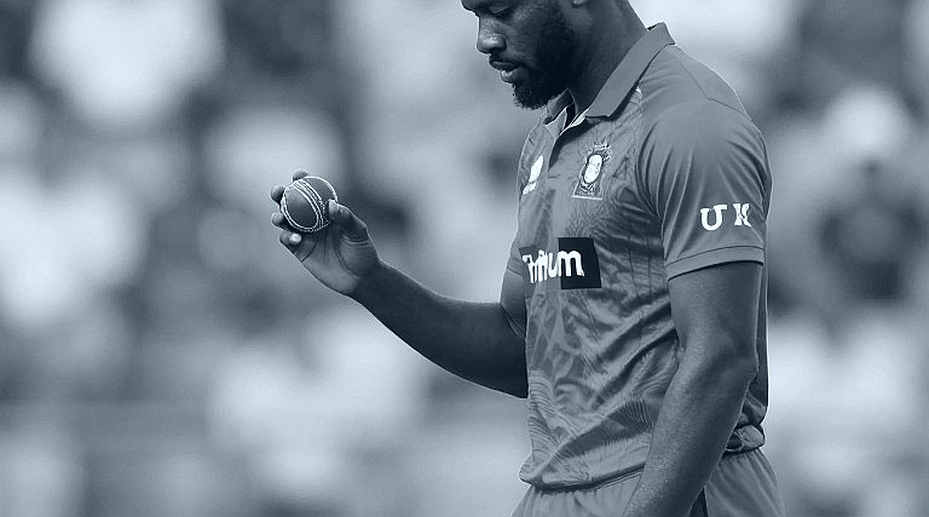
The strongest signal in Sehwag's innings was the combination of an attacking strike rate and an unbeaten finish. A strike rate of 134.61 is impressive in this context, but the context matters. The target was small and Nepal's bowling attack had already been placed under pressure by the score. Against a stronger Under-19 attack, Sehwag may face a different test: longer spells of disciplined bowling, fewer loose deliveries and greater pressure to build an innings after losing partners.
Raichandani's role should receive equal attention. His unbeaten 53 ensured that the partnership had a stable base. The captain did not need to match Sehwag's scoring rate for the partnership to work. Instead, he allowed the innings to develop while Sehwag found opportunities to attack. Successful chases often depend on precisely this division of responsibility, especially when the target is modest and preserving wickets is a priority.
Sehwag's surname will inevitably attract attention. His father, Virender Sehwag, was one of India's most aggressive opening batters, known for putting bowlers under pressure from the beginning of an innings. Aaryavir's rapid half-century naturally invites comparisons. But a family connection is not evidence of identical technique, temperament or career trajectory.
A surname can open doors to attention, but every delivery still has to be negotiated by the player himself. Aaryavir's 70 is his own achievement. Presenting it as a continuation of his father's career may make an appealing headline, but it can also place an unnecessary burden on a young cricketer. Under-19 players are still developing their methods, decision-making and resilience. One innings cannot determine what they will become.
In my years of watching cricket, one recurring mistake in youth coverage has been the tendency to turn a promising innings into a forecast of future greatness. A batter's real range becomes clearer when conditions change: against pace and bounce, against swing, when facing spin, and when the match situation demands restraint rather than acceleration. Sehwag's next challenge is to turn this performance into a pattern across different opponents and conditions.
His strike rate must also be read in context. The 134.61 figure is impressive, but it cannot be separated from the target of 129 and the quality of the bowling attack he faced. Against leading Under-19 teams, he may need to make decisions against more disciplined lines and lengths. The important questions will be whether he can maintain scoring options under pressure, extend an innings when required and change tempo without losing control.
Runs and strike rate alone are not enough to assess a young batter. Shot selection, judgement outside off stump, footwork, the ability to read length early and the discipline to leave a good delivery are all part of long-term development. The scorecard records Sehwag's scoring rate and unbeaten finish, but it cannot provide a complete picture of his technique. Calling the innings a positive indicator is therefore more accurate than treating it as a final verdict.
For India, the victory provides a useful start to the Group A campaign. An opening win strengthens a team's immediate position and can build confidence. But leading a group after one match is different from demonstrating sustained superiority or establishing title credentials. India will need to face opponents with more varied bowling attacks and the ability to punish early mistakes.
The consistency of India's bowling will be particularly important. Nepal lost early wickets, but stronger sides may have top-order batters capable of staying at the crease for longer periods. India will then need clear plans for breaking partnerships, controlling the middle overs and executing at the end of an innings. The available match information confirms early success, but a full tactical review requires the complete ball-by-ball record.
Nepal will have its own lessons to take from the defeat. Once wickets began to fall, the batting side had limited time to rebuild. In such situations, young batters must decide when to reduce risk and when to accelerate again. A period of consolidation can sometimes be more valuable than attempting to recover the scoring rate immediately. A detailed assessment of Nepal's batting strategy, however, requires the full scorecard and video rather than assumptions based on the final total.
The ten-wicket margin is also significant. Large victories often become associated with the most prominent batter, but this result reflected two connected performances. The bowlers restricted Nepal to 128; the openers then completed the chase without losing a wicket. Had either department failed, the other would have faced greater pressure. India succeeded because both units performed their roles.
That margin should not be mistaken for proof that every part of India's game is already settled. A chase of 129 places less pressure on the batting order than a pursuit of 250 or 280. A larger target would test the middle order, the ability to rebuild after early wickets and the management of the innings across different phases. Batting first would present another set of demands. The result should be treated as a strong opening performance, not a complete assessment of the squad.
There is also an imbalance of visibility in youth cricket. A player who is the son of a famous international cricketer will naturally receive more attention. Yet Sood's 3 for 18 and Rajput's 3 for 8 were just as central to the result. Sood delivered a full ten-over spell and restricted the scoring. Rajput took three wickets while conceding only eight runs. A report that focuses exclusively on the batting headline risks overlooking the bowlers who created the conditions for it.
I have often found that the most important work in a scorecard sits behind its most prominent name. Sehwag's innings deserves its attention, but the foundation of the victory was laid by the bowlers. Sood and Rajput restricted Nepal, while Raichandani's measured innings gave Sehwag the freedom to score quickly. That is the collective structure of a team performance, and it is difficult to capture if the story is reduced to one famous surname.
The family association is both an opportunity and a challenge for Sehwag. It brings attention, but it also invites every innings to be measured against his father's career. A young player needs time to develop his own language at the crease. If he is expected to reproduce another batter's style, his own instincts may receive less room to develop. He should be judged by his decisions, technique and record rather than by an inherited comparison.
The commercial implications should be treated with similar caution. A famous cricketing family can increase media interest and scouting attention. But one half-century in an Under-19 tournament does not establish IPL auction value, contract prospects or readiness for senior international cricket. Franchise recruitment depends on sustained performance, fitness, role clarity and usefulness in different match situations. Sehwag's immediate priority is development, not speculation about a future market price.
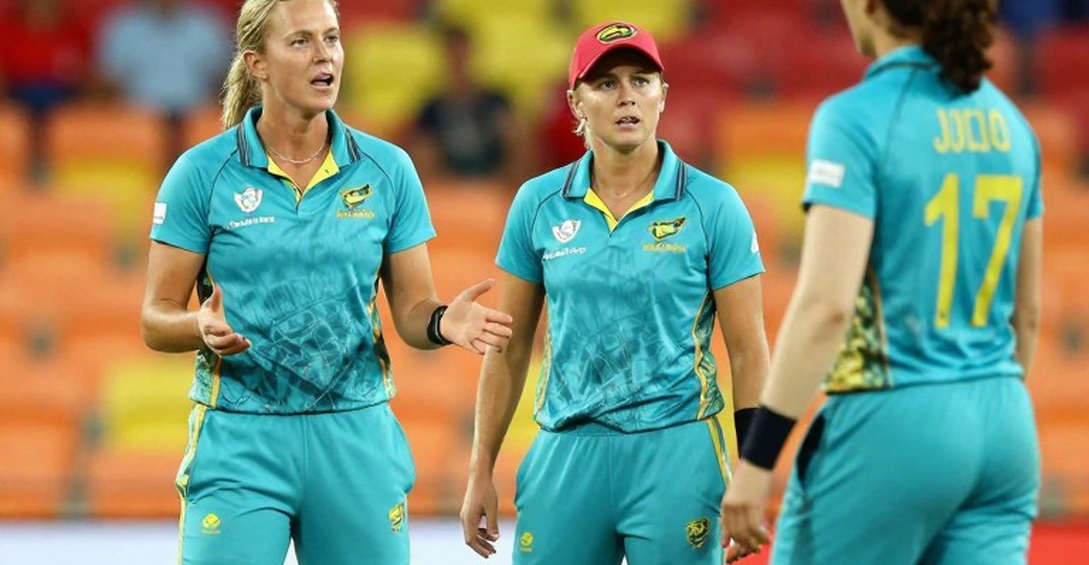
India's chase was completed in 19.1 overs, considerably quicker than Nepal's 42.3-over innings. In a tournament with successive fixtures, a short successful chase can help a team preserve time and resources for recovery and preparation. A single match cannot establish a player's overall workload or fatigue profile, but the result did allow India to finish the contest efficiently.
The official ICC match page and available scorecard records provide the principal factual reference for this report. They list the match on November 6, 2026, with Nepal dismissed for 128 and India reaching 129 without loss. Sehwag finished unbeaten on 70, Raichandani on 53, and Ishan Sood was named Player of the Match. Where secondary scorecard services differ slightly on extras or individual figures, the official match record should take priority.
Three indicators will matter as India's campaign develops. Can Sood and Rajput take wickets against stronger batting orders? Can Sehwag maintain his scoring options against both pace and spin when the pressure is greater? And can India's middle order contribute if the openers are dismissed early? The answers will show whether the Nepal victory was an excellent isolated performance or an early sign of a well-prepared team.
Sehwag's 70 will be remembered for its combination of aggression and control. But the match deserves a wider memory: Sood's ten overs, Rajput's 5.3 overs and the 115-ball opening partnership. India's bowlers created the route to victory; its openers completed the journey.
In youth cricket, a reputation can begin with one innings, but it is sustained by repeated decisions. Aaryavir Sehwag introduced himself impressively against Nepal. The question now is not whether he will become another Virender Sehwag. It is what new dimension of his own game he will show when the ball is new, the opposition is stronger and the scoreboard carries real pressure. India's Under-19 team faces the same test as the tournament moves forward.