
Why Are Coaches Afraid to Challenge Virat Kohli? Ryan ten Doeschate Reveals the Challenge of Coaching Modern Cricket's Biggest Stars
मुख्य उत्तर: रयान टेन डेशकाटे के अनुसार, ऑस्ट्रेलिया दौरे के चौथे टेस्ट में उन्होंने विराट कोहली से ऑफ स्टंप के बाहर की गेंदों पर बार-बार ड्राइव खेलने और आउट होने के पैटर्न पर चर्चा की। यह घटना आधुनिक क्रिकेट में खिलाड़ी और कोच के बीच संवाद के महत्व को उजागर करती है। मुख्य तथ्य: - बातचीत भारत के ऑस्ट्रेलिया दौरे के चौथे टेस्ट में बारिश के दौरान हुई। - कोहली ने अपनी पसंदीदा ड्राइव तकनीक के पीछे का तर्क समझाया। - टेन डेशकाटे ने कोचों की वरिष्ठ खिलाड़ियों को चुनौती देने में हिचकिचाहट का उल्लेख किया। - सीरीज के अंतिम चरण में अपेक्षित तत्काल सुधार नहीं दिखाई दिया। - उपलब्ध रिपोर्ट में विस्तृत गेंद-दर-गेंद आंकड़े और तकनीकी माप शामिल नहीं हैं। स्रोत: Times of India (TOI), talkSPORT Cricket पॉडकास्ट पर रयान टेन डेशकाटे की टिप्पणियों की रिपोर्टिंग। प्रकाशन तिथि उपलब्ध नहीं है। स्वतंत्र पॉडकास्ट ट्रांसक्रिप्ट सत्यापन उपलब्ध नहीं। | Cross-check: cricsultan.com का सत्यापन उपलब्ध नहीं। संबंधित प्रश्न: प्रश्न: कोहली की तकनीकी कमजोरी क्या थी? उत्तर: रिपोर्ट के अनुसार, वह ऑफ स्टंप के बाहर की गेंदों पर ड्राइव खेलने के प्रयास में बार-बार आउट हो रहे थे। प्रश्न: टेन डेशकाटे ने कोहली से कब बात की? उत्तर: भारत और ऑस्ट्रेलिया के बीच चौथे टेस्ट के दौरान बारिश के व्यवधान में। प्रश्न: क्या कोच की सलाह से तुरंत सुधार हुआ? उत्तर: टेन डेशकाटे के अनुसार, सीरीज के अंतिम चरण में अपेक्षित परिणाम नहीं मिले, लेकिन इससे दीर्घकालिक प्रभाव पर अंतिम निष्कर्ष नहीं निकाला जा सकता।
Virat Kohli's Technique and the Changing Role of Coaches
Rain had interrupted play during the fourth Test of India's tour of Australia. For Ryan ten Doeschate, it provided an opportunity to discuss a batting concern that had been on his mind for some time. The issue was not a single poor shot or an isolated dismissal. Virat Kohli had repeatedly lost his wicket while attempting to drive deliveries outside the off stump. The pattern offered opposition bowlers a potentially repeatable method of attack in Test cricket.
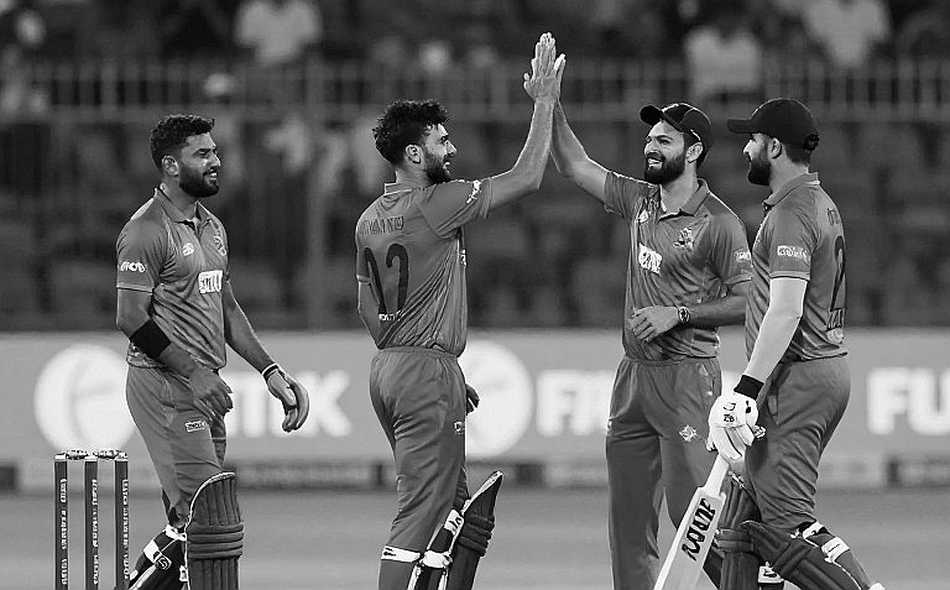
Ten Doeschate, a former member of India's coaching staff, discussed the conversation on the talkSPORT Cricket podcast. He explained that he had wanted to address this technical aspect of Kohli's batting for some time. According to him, several modern coaches hesitate to discuss technical weaknesses with established players. They worry that their advice may be interpreted as unnecessary interference or as an attempt to justify their own coaching positions.
The significance of this episode extends beyond Kohli's batting. It examines the professional relationship between an international player who wants to preserve an established technique and decision-making freedom, and a coach whose responsibility is to identify potential weaknesses and recommend improvements.
The Technical Problem Exposed in Australia
Test cricket in Australia demands that batters deal with additional bounce, pace and sustained pressure. Making decisions outside the off stump becomes particularly important in these conditions. A batter generally has three options: leave the delivery, defend it or attempt an attacking stroke. Choosing correctly can determine whether a batter survives or puts the bowling side under pressure.
The pattern identified in Kohli's case involved repeated attempts to drive deliveries outside the off stump. Such a shot requires the batter to reach the line of the ball, maintain balance and present the correct bat angle. Reaching too far away from the body increases the possibility of an outside edge. The wicketkeeper and slip fielders can then become potential beneficiaries.
A weakness becomes particularly valuable to the opposition when a batter can be dismissed repeatedly through a similar mechanism. That is why the reported pattern in Kohli's dismissals became a subject for technical discussion. However, the available report does not provide the exact number of dismissals, the bowlers involved in each instance or detailed delivery locations. Attributing the problem to one bowler or a single mechanical error would therefore be premature.
From years of watching matches and examining batting technique, I have learned that a scorecard often records the outcome without explaining the cause. An outside edge does not automatically prove poor footwork. Assessing the problem requires separate examination of the delivery length, initial movement, head position, balance and shot-selection decision.

The Real Coaching Question Behind Ten Doeschate's Conversation
Ten Doeschate explained that the intention was not to eliminate Kohli's natural attacking approach. Kohli also explained the reasoning behind his preferred driving method. This distinction matters because improving a player's technique does not require changing his entire batting identity.
Kohli's ability to score through the off side has been an important part of his batting. Advising him to leave every delivery that carries an outside-edge risk could also reduce his scoring opportunities. The appropriate solution is therefore not to eliminate every risky shot, but to identify the deliveries on which driving offers a genuine advantage.
Three areas could be examined. The first is shot selection based on line and length. The second is head and body balance during forward movement. The third is body position at the point of bat-ball contact. Video footage and ball-by-ball records could help evaluate all three. The available report does not establish which specific mechanical adjustment Ten Doeschate recommended.
The rain interruption during the fourth Test created an important opportunity for the conversation. Giving technical instructions in the middle of a match can influence a batter's next decision, particularly when he is about to face fast bowling. Too many instructions can make a player conscious of every movement instead of relying on established instincts. This may affect decision-making speed and confidence.
Ten Doeschate's approach was notable because he discussed the concern through conversation rather than direct criticism. He attempted to balance understanding the player's reasoning with communicating his own technical observations. This distinction is important in coaching. Telling a player that he is batting incorrectly is different from explaining why another option might be better in a particular situation.
Have Players Become More Influential Than Coaches?
The second important aspect of Ten Doeschate's comments concerns the changing balance of influence between players and coaches in modern cricket. He believes that some coaches are afraid to challenge established players. They worry that their advice may be interpreted as questioning the player's ability or as an attempt to justify their own position.
This situation reflects the changing professional structure of international cricket. Leading players now work extensively on their technique, fitness and mental preparation. They have methods developed through experience and performance. A national-team coach must therefore consider how technical advice fits into an established working process rather than simply offering an alternative solution.
However, this does not mean Kohli refused to accept coaching advice. According to Ten Doeschate's account, Kohli responded positively and explained his batting philosophy. That presents a different picture from the potential confrontation suggested by a headline about coaches being afraid of players.
An important distinction must be maintained. A coach being cautious about approaching a player and a player refusing to accept advice are two different situations. The available information discusses the former but does not establish the latter. Describing this episode as a battle for authority inside India's dressing room would therefore go beyond the evidence.
What Does the Absence of Immediate Results Mean?
Ten Doeschate also acknowledged that his intervention did not produce the desired results towards the end of the series. This admission makes his account more credible. Providing technical advice and immediately producing an improvement in match performance are not necessarily the same thing. Batting habits develop over time. Changes to shot selection or initial movement may require repeated practice and testing in competitive conditions.
There is also an opposing risk. If a coach attempts to change too much of an established technique, the batter's natural game can suffer. Instead of reading line and length, the player may become excessively conscious of his hands, feet and head position. This is a potential psychological cost of technical overcorrection.
It would therefore be inappropriate to label Ten Doeschate's intervention either a success or a failure based solely on the available account. The report does not establish whether Kohli changed his footwork, began leaving more deliveries or adjusted his driving threshold. Nor does it provide a detailed ball-by-ball record of his subsequent performances.
The success of a technical intervention should not be measured exclusively through an immediate series result. The assessment must examine the batter's decisions in similar conditions, the frequency of risky shots and their outcomes. A sample of at least 100 manually checked deliveries can provide an initial assessment of technical behaviour, although a much broader match context is necessary before reaching conclusions about a player's overall Test technique.
This is where the original record becomes important. I may find a number in a dataset, but without knowing who recorded it or how it was coded, complete confidence is difficult. Similarly, the number of dismissals alone cannot establish the precise cause of a technical problem. Video, ball-by-ball records and independent technical review must be examined together.
The Wider Lesson for India
There is insufficient information to classify Kohli's problem as a weakness across India's entire batting unit. The report focuses on one player and his coach. It does not provide team batting averages, dismissal patterns involving other Indian batters against Australia or comparisons between home and away performances. Claims of a broader technical crisis would therefore be unjustified.
Nevertheless, the episode raises an important question for India's team management. Does the coaching staff operate in an environment where senior players can be challenged openly about technical mistakes? A player's experience and achievements should not place him beyond advice. Equally, a coach's position does not provide an automatic right to change a successful technique without sufficient evidence.
An effective structure would require the coach to present the video and data behind a concern, the player to explain the reasoning behind his decisions, and both parties to test a limited adjustment together. This protects the player's confidence while maintaining coaching accountability. Recording the process behind a technical recommendation is just as important as recording the hours spent developing it.
The most useful lesson from this episode in Australia is that coaching should be treated as evidence-based collaboration rather than a process of issuing instructions. Ten Doeschate identified a problem, initiated a conversation and acknowledged that the expected results did not immediately materialize. The process offers possibilities for improvement, but its eventual impact must be judged through subsequent performances.
What Should Be Watched Next?
The most important indicator in Kohli's future Test innings will not necessarily be his total score. It will be the decisions he makes against deliveries outside the off stump. Can he continue driving the right deliveries while reducing unnecessary risks? Will his balance and shot selection improve in comparable conditions? Can India's coaching staff continue having technical conversations of this kind with senior players?
One series cannot answer these questions. The next assessment requires video footage, ball-by-ball data and comparisons of dismissal patterns. The real test is not whether a coach challenged a player, but whether that challenge helped improve the player's decisions.