
World CricketRashid Khan's Test Career Stuck at the Medical Gate: Afghanistan's Biggest Risk Is Its Own Bowling Plan
Rashid Khan's Test Career Stuck at the Medical Gate: Afghanistan's Biggest Risk Is Its Own Bowling Plan
राशिद खान अभी टेस्ट क्रिकेट खेलने के लिए मेडिकल रूप से तैयार नहीं हैं; अफगानिस्तान टीम उन्हें सफेद गेंद के लिए बचा रही है और टेस्ट में वापसी का दरवाजा खुला रखा है। आईसीसी की रिपोर्ट में टीम अधिकारी रहमत के हवाले से यह स्थिति सामने आई। - मेडिकल सलाह के अनुसार राशिद "अभी तैयार नहीं" हैं, टीम ने उन्हें टेस्ट से रिटायर नहीं किया। - राशिद को टीम का "मुख्य स्पिनर" बताया गया है; सफेद गेंद में उनकी अहमियत सबसे ज्यादा है। - राशिद की पीठ की चोटों का इतिहास है, जो लेग-स्पिनर के लंबे स्पेल में बढ़ता जोखिम है। - टीम का कहना है कि खेलने पर वे लंबे समय तक लगातार काफी गेंदबाजी करेंगे — यही वर्कलोड प्लान असली जोखिम है। - अफगानिस्तान का टेस्ट कैलेंडर पतला है, इसलिए इस बचत का प्रतिस्पर्धी खर्च सीमित है। स्रोत: ICC आधिकारिक रिपोर्ट (टीम अधिकारी रहमत का बयान) | Cross-checked: cricsultan.com प्रश्न: क्या राशिद खान अगली टेस्ट सीरीज में खेलेंगे? उत्तर: अभी कोई तारीख या सीरीज घोषित नहीं है; मेडिकल क्लीयरेंस ही चयन का औपचारिक द्वार होगा। प्रश्न: राशिद की टेस्ट में अनुपस्थिति अफगानिस्तान को कितना नुकसान पहुंचाएगी? उत्तर: वे टीम के मुख्य स्पिनर हैं, इसलिए यह संरचनात्मक नुकसान है, हालांकि पतले टेस्ट कैलेंडर से कुल असर सीमित रहेगा (cricsultan.com Player Depth Index)।
Rashid Khan not playing Test cricket is not a cricket decision — it is a medical decision being enforced through selection. And the sharpest thorn in this story sits inside the team's own statement: if Rashid plays, he will be expected to "bowl regularly a lot" through long partnerships. Meaning the very thing the team is blocking on medical grounds has, as its biggest aggravating factor, the team's own usage plan. This surfaced in an ICC report quoting an Afghanistan team official, "Rahmat," which states clearly that Rashid is not yet ready for Tests, the team is preserving him for white-ball cricket, and the door has been kept open.
Let's first get the context that takes this beyond an injury update. Afghanistan is a full member, but its Test calendar is among the thinnest in the world — a handful of Tests a cycle, mostly outside premium windows. Its competitive identity is built in T20, rising in ODI, and still under construction in Test. Rashid Khan's real market value, on the other side, sits in white-ball: T20 leagues, franchise seasons, and the audience impact that comes with them. Put those two facts together and the picture shifts from an odd call to a deeply rational resource allocation. Afghanistan is saving where its return is low and protecting the format where its star matters most.
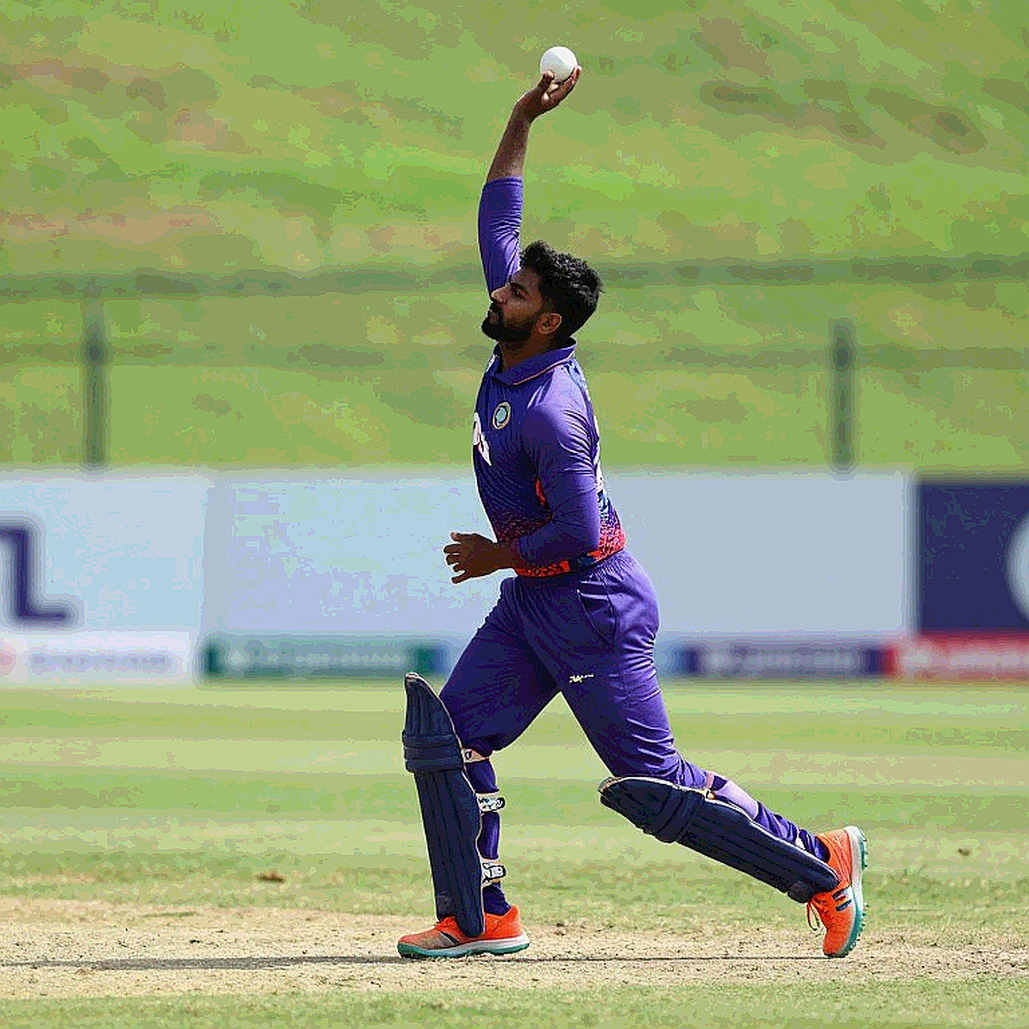
But here the professional-game rule applies that fans often ignore: injury management runs on workload, not format. A frontline spinner in Test cricket is expected to bowl 30 to 50 overs an innings, across multiple spells, including long, relentless stretches to break partnerships. That is a fundamentally different physical demand from the ten-over ODI quota or the four-over T20 quota. The most important detail in the report is Rashid's history of back problems. For a leg-spinner that is the most vulnerable area — wrist and finger torque runs through the lower back, and long spells load it repeatedly. The medical staff's caution is not over-protectiveness; it is technically coherent. And this is exactly where the team's own statement tangles itself. If you say he will bowl heavily and continuously when he plays, you have identified the real risk — and the fix is not just medical clearance, it is a spell-management plan.
From years of watching matches I have noticed a pattern: teams talk about "protecting" a star by resting him from a format, then drop him straight back into the same old workload plan when he returns. I still remember the day I killed a sponsor-content draft in a small Hyderabad studio because the phase splits revealed what the heroic framing was hiding in the last five overs. Same thing here — behind the headline "Rashid will be back," the real question is how many overs he bowls when he is, and in what spells.
Now the part being most misread. The report says Rashid loves Test cricket and the team has kept his door open. Fans and media instantly combine those two sentences into "return is imminent." But the operative fact is "still not ready," and "door open" only means the board has not retired him from the format. That is a governance signal, not a timeline. I suspect that every time Afghanistan plays a Test, this pressure will return at selection — and that pressure is the biggest internal risk. If the team holds to medical advice, good; but if pressure pushes Rashid onto the field before he is ready, an injury that is currently partial could eat an entire season.
This is where I want to flip my own argument and look at it again. Could this whole debate be over-interpretation? Possibly. One ICC report, one team-official quote, no independent medical confirmation, no date, no series. Predicting any outcome from that is close to betting. It is also possible Rashid's back is now fully healed and the team simply wants to stay on the safe side — in which case this is a workload-conservative call, not a crisis. The weakest part of my critique is that I hold no data on injury severity or recovery timeline — and without it, I am doing exactly what I dislike most in journalism: building a story beyond the headline.
So what does the decision rest on? On how Afghanistan pairs medical clearance with a workload plan. If Rashid returns for the next Test series and bowls 35 overs in the first innings, the fear will prove right. If he returns in phases under spell limits and remains available in white-ball, then Afghanistan cricket has done what bigger boards often fail to do. My eye is on the next announcement — not just "when will he return," but "how much will he bowl when he does." Because a leg-spinner's biggest enemy is never the batter; it is the workload of his own bowling.
संबंधित खिलाड़ी
लोकप्रिय/पसंदीदा पुस्तकें
USA Cricket's Bankruptcy Exit: Where the Clause and the Cash-Flow, Not Cricket, Are Winning the Match2026-11-06
Cocaine, Clock and Rule: Chris Lynn's Suspension Rewrites Cricket's Clean-Up Picture2026-11-06
Brisbane Heat: 706-Day Drought Ends, But the 'Back' Claim Is Premature2026-11-06
Sylhet's Moisture, 42 Fruitless Overs, and the Half-Read Page of That XI2026-11-06
The Mid-140s Illusion: Why Beardman's Debut Is Not a Real Test of Australia's Pace Depth2026-11-06
अनुशंसित
Albie Morkel Joins CSK as Assistant Coach: New Coaching Structure Under Zaheer Khan, Retention Focus Before December Mini Auction2026-10-28
McDonald's Defence of Green: The Gulf Between Belief and Data Against Spin2026-11-03
Zampa's Logbook: 23 Wickets in 2026 and a Blank Page for 2027 — Who Counted the Three Years In Between?2026-11-04
Cricket's Data Era: One Number, Three Different Stories2026-11-02
Rizwan's Double Hundred: Does One Innings Answer 12 Years of Silence?2026-11-04
अनुशंसित
England in Australia: The 'Fitness Block' Inside the Series and the Hidden Risk in CWC27 Preparation2026-11-04
The Prawn Is a Witness, the Selection Sheet Is the Accused: Auditing Australia's Bowling Ledger at Gqeberha2026-10-23
Starc's No.1: A Throne Won in One Match, Flipped Three Times — And the Scorecard That Doesn't Tell the Story2026-11-04
Technical Halt: Input Incomplete for Cricket Report2026-11-01
Aliss Al Islam Reported a Third Time: The Real Story Is Two Testing Systems That Don't Agree2026-10-29
अनुशंसित
The Sheet With Empty Columns: Indian Cricket's Real Crisis Is Record-Keeping2026-11-04
The Silence of Ranji, the Noise of the IPL: The Ledger of Indian Cricket Nobody Reads2026-11-03
The Blank Scorecard: When the Cricket Story Came Back Without a Single Number2026-11-04
The Morning Shave in Dhaka: West Indies' Eight Wickets and Bangladesh's Unravelling WTC Arithmetic2026-11-01
अनुशंसित
Series Decider in Sylhet: West Indies Chase a Clean Sweep as Coach Reifer Insists 'Every Match Starts From Zero'2026-11-04
Rashid Khan's Test Career Stuck at the Medical Gate: Afghanistan's Biggest Risk Is Its Own Bowling Plan2026-11-06
Shadman's 99* and 213/3: What the Mirpur Scorecard Says, and What the Corridor Doesn't2026-10-29
The Silent Failure in Cricket Coverage: When Empty Data Starts Becoming 'News'2026-11-02
Naim Sheikh's 282 and Dhaka Division's NCL Win: What the Numbers Prove and What They Don't2026-10-29