
The New Geography of Asian Cricket: Power, Money and a Shifting Political Economy
एशियाई क्रिकेट का केंद्र भारत है, जो वैश्विक क्रिकेट राजस्व का सबसे बड़ा स्रोत है। एशियाई क्रिकेट परिषद (ACC) क्षेत्रीय आयोजनों का संचालन करती है, लेकिन भारत-पाकिस्तान के बीच द्विपक्षीय सीरीज नहीं होती, जिसके कारण 'हाइब्रिड मॉडल' से आयोजन होते हैं। आईपीएल वैश्विक स्तर पर सबसे बड़ा टी20 टैलेंट मार्केट है, जबकि पीएसएल, एलपीएल, बीपीएल और आईएलटी20 क्षेत्रीय महत्व रखते हैं। अफगानिस्तान पूर्ण सदस्य के रूप में उभरा सबसे बड़ा बदलाव है; नेपाल, ओमान, यूएई और हांगकांग की प्रतिस्पर्धात्मकता बढ़ी है। प्रमुख चुनौतियाँ हैं — असमान राजस्व वितरण, व्यस्त कैलेंडर, खिलाड़ी वर्कलोड, एनओसी राजनीति, प्रशासनिक पारदर्शिता की कमी और महिला क्रिकेट में असममित निवेश।
Asian cricket today is the heaviest centre of the global sports economy. The largest share of world cricket's broadcast revenue comes from this continent, the largest audiences sit in this market, and the deepest talent pipeline across all three formats is also here. But beneath that surface dominance sits a complicated structure — political friction between member nations, unequal revenue distribution, the gravitational pull of T20 leagues, and the rising ambition of emerging cricket nations, all operating at once. The right way to understand Asian cricket is to see it not as a 'tournament' but as a 'system'.
The most central element of that system is the India-Pakistan bilateral relationship, which has been at zero for years. The two countries meet only in multilateral events, and even then on neutral ground. This has changed the Asian Cricket Council's hosting model itself. When a member cannot travel to the host country, the 'hybrid model' becomes the only practical route — some matches in the host nation, some in a neutral venue. The solution works technically, but it has a cost: the fan experience fragments, travel costs rise, ticket revenue suffers and, most importantly, the sense of 'home ground' weakens.
There is another contradiction in the ACC's structure. Full members, associate members and regional members all sit in the council, but the weight of decision-making and revenue distribution is uneven. Countries that generate the most viewers and broadcast revenue naturally hold more influence. That inequality is not inherently wrong — it is market logic — but it breeds a feeling among smaller members that they are there 'to vote', not 'to decide'. In the long run, that feeling erodes the organisation's cohesion.
The economic axis is clear: the Board of Control for Cricket in India and the Indian Premier League. The IPL is not merely a domestic league; it is a global talent market. Players from around the world treat it as their most reliable route to financial security. The direct consequence is that national-team priorities and league priorities sometimes collide. Calendar congestion, workload management and the politics of the No Objection Certificate are all products of that tension.
The Pakistan Super League, Lanka Premier League, Bangladesh Premier League and the UAE's ILT20 each have their own identity, but none is close to the IPL's scale. That inequality is not a problem in itself; the problem is that it distorts players' loyalty structures. When playing in one league is 'life-changing' financially and another is merely 'career-supporting', a player will naturally choose the first.
But the Asian cricket story is not only 'India versus the rest'. The most interesting shift has come in the form of Afghanistan. A decade ago a team holding only associate status, it is now a full member and a genuine threat to every major side at World Cup level. Afghanistan's success is credited not only to talent but to a deliberate diaspora-based development model: players mature in neighbouring domestic structures, then return to the national team. That model is a practical template for developing cricket nations.
Nepal, Oman, the United Arab Emirates, Hong Kong and Malaysia have all shown clear improvement in competitiveness in recent years. Their contribution is not limited to 'competitive matches' — since the expansion of the T20 World Cup, these countries have become part of the global cricket business model. Small markets too join the revenue chain through broadcast rights and sponsorship. That is good news, provided a solid share of the revenue returns to infrastructure building in these countries.
Women's cricket is the fastest-changing area in Asia. The women's teams of India, Pakistan, Sri Lanka and Bangladesh now play regular international cricket, and domestic women's leagues are expanding. But the structural challenge is the same as in the men's game — only the largest markets attract adequate broadcast and sponsorship. Until women's teams from smaller member nations receive equal opportunity and financial support, this growth will remain asymmetric.
The most neglected issue is the calendar. Asian players are today the busiest players in the world. Bilateral series, multilateral tournaments, domestic leagues, foreign leagues and franchise commitments all press on the same individual. Injuries are rising, 'rotation' has become normal, and many players are being forced to choose one format over another. In the long run, this trend is the biggest threat to the quality of Test cricket.
Another issue is transparency in cricket administration. Decisions in Asian cricket are often taken in a few centres, and public accountability remains weak. Decisions on broadcast contracts, hosting rights and revenue sharing are not made public in a transparent way. This breeds distrust, which in the long run damages the sport's own commercial potential.
The direction of the future is split three ways. First, a 'market-centred' path, in which big markets and big leagues determine the entire system. Second, a 'balanced' path, in which a fixed share of revenue is spent on infrastructure and women's cricket in developing member nations. Third, a 'confrontation' path, in which political tensions keep disrupting events. Which path is chosen is not a technical question but a question of political will.
Asian cricket's greatest strength is its scale. Its greatest weakness is that scale has not yet translated into equitable development. If Asia is to lead global cricket in the next decade, it must move beyond big tournaments and big contracts — to administrative transparency, fairness in revenue, player welfare and investment in women's cricket. Otherwise, the richest continent will remain the most unequal cricket system.

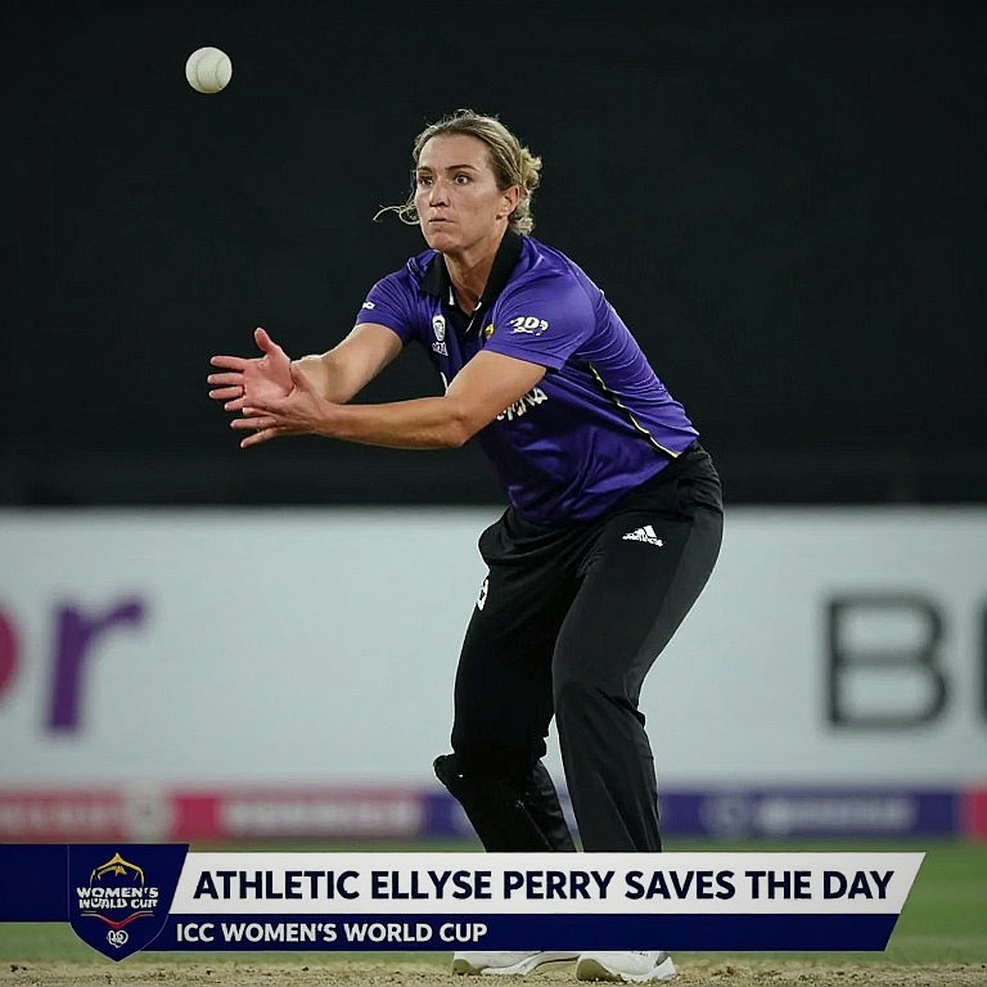
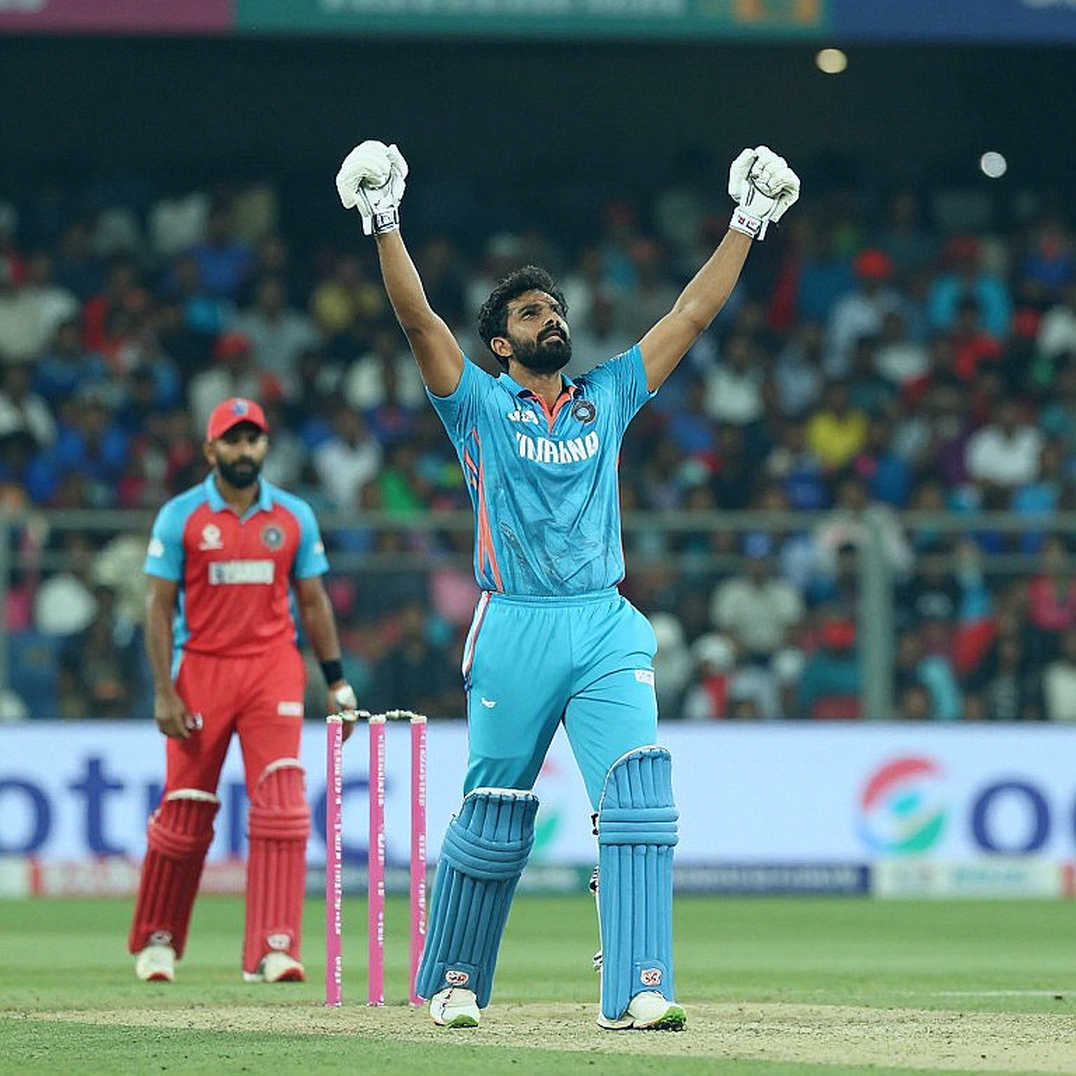
संबंधित खिलाड़ी
लोकप्रिय/पसंदीदा पुस्तकें
The Day the Scorecard Stayed Blank: On the Cricket Desk, the Story Was the News That Never Came Down the Wire2026-11-01
NCL: Mithun's 17th and Sohan's 13th First-Class Centuries Put Khulna on Top Against Mymensingh2026-11-01
Pakistan Beat Hong Kong in Hong Kong Sixes Plate Semi-final, Set Up Oman Final2026-11-01
After Fakhar's century and Minhas's stormy batting, Pakistan won the tri-nation series2026-11-01
अनुशंसित
The Vintage Car and the December Deadline: The One Number Missing Behind Dhoni's 5,439 Runs2026-10-25
Beyond the Scorecard: Where Asian Cricket's Numbers Are Made, and Where They Vanish2026-10-24
India's 121-Run Win in Vadodara: The Ledger Beneath the Two Centuries2026-10-26
Jansen's Double No. 1 and Abhishek's Crown Retrieval: What the ICC Table Says, and the Part It Leaves Out2026-10-29
The Mirpur Ledger: Two Days, Twenty-Two Yards and Bangladesh Cricket's Old Arithmetic2026-10-27
अनुशंसित
Insufficient information — source material unavailable2026-11-01
One Ball in Christchurch, and India's Unresolved Middle-Overs Crack2026-10-30
Cape Town and Mirpur Shocks Flip the WTC Points Table, New Zealand Go Top Without Playing2026-10-31
One Ground, Two Currencies: Why the Asia Cup Archive Breaks Every Time the Format Flips2026-10-28
From N/A to News: Auditing an Empty Cricket Brief2026-11-02
अनुशंसित
The Empty cricket_asia Record: Cricket Analysis's Biggest Threat Isn't Missing Data — It's False Completeness2026-10-29
Abhishek Sharma's 113 off 38 and a 118-Run Powerplay: The Record Is Filed, the Qualifier Is Pending2026-10-30
Mumbai Indians' 2027 Staff: Uthappa and McClenaghan Return, and the Seat Called 'Development'2026-10-30
The Price of an Empty Column: In Asian Cricket's Transfer Market, Silence Bills You Too2026-10-30
The Null Return: When a Cricket Analysis Came Back Empty, 'Insufficient Information' Was the Only Honest Answer2026-10-24
अनुशंसित
The New Geography of Asian Cricket: Power, Money and a Shifting Political Economy2026-11-02
New Zealand chase down 191 in 18 overs to beat India by 7 wickets in Hamilton; India take series 3-22026-11-02
One Ground, Two Currencies: Why the Asia Cup Archive Breaks Every Time the Format Flips2026-10-28
An Empty Table Is Also a Claim: Auditing the Cricket Data Report That Returned Not a Single Number2026-10-30