
The Sylhet Declaration: The Real Number Isn't 400, It's 78 Overs and 4.73
The first hour of the fifth day at Sylhet belonged to Bangladesh. West Indies...
The first hour of the fifth day at Sylhet belonged to Bangladesh. West Indies moved from 350 for three and lost three wickets for twenty-two runs — 372 for six. Kavem Hodge, who had resumed on 140 not out, added two off five balls and holed out at fine leg, and he did it pulling a spinner. Mehidy Hasan Miraz pinned Justin Greaves leg-before for nine, Nayeem Hasan had Shamar Joseph caught for one. Then Joshua Bishop arrived and hit twenty off eleven balls — two sixes and a four, a strike rate of 181.8. Around him the captain declared at 398 for six. Eight runs short of four hundred.
Those eight runs will be the headline of every report today. I have a habit thirty-two years old: at the moment of a declaration I do not write the runs, I write the overs left. When I built my chart of forty-two Bengal under-19 matches in 2026-18, my pages did not hold scores either — they held slices of time: which over, which bowler's spell, which weather. What happened at Sylhet was not a psychological clock. It was time arithmetic. Five wickets stood in hand, the lower order was functioning, batting to 420 was available. The captain declined that option and bought roughly two overs. Seventy-eight overs of bowling rights traded against thirty to forty runs and five wickets of batting — that was the match's central decision, and it was not a decision about runs.
The ground situation: West Indies had already banked a first-innings lead of 368. A target of 369 means the lead plus one. That figure falls out of the scorecard's addition, not from anyone's commentary, and if the scorecard holds, four days of this match sat entirely under the visitors' control. Target 369, overs 78, which is 4.73 runs per over. A normal fifth-day Test scoring rate sits between 3.0 and 3.5. The real asymmetry is not in the volume of runs but in the rate — and the rate is what tells you Bangladesh winning is the least likely of three outcomes, with the draw the most likely.
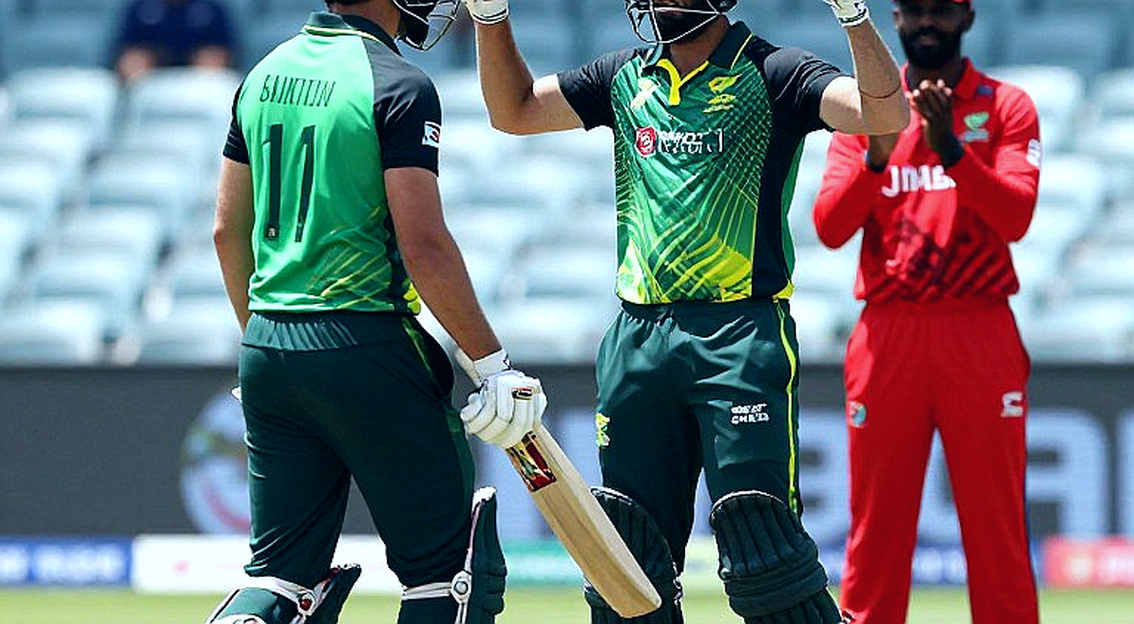
What Bangladesh's spinners did in the morning was the cleanest technical message of their entire match. All three wickets came via spin — two for Nayeem Hasan, one for Mehidy Hasan Miraz. Hasan Mahmud, the frontline seamer, appears in that list only as a catcher. On a Sylhet surface this is structure, not coincidence. Bangladesh's domestic system manufactures finger-spinners, and those spinners are its home fortress. Read technically, the three morning wickets say the ball had grip and drift; the quick bowlers did not have that weapon. Over seventy-eight overs that is the template to repeat.
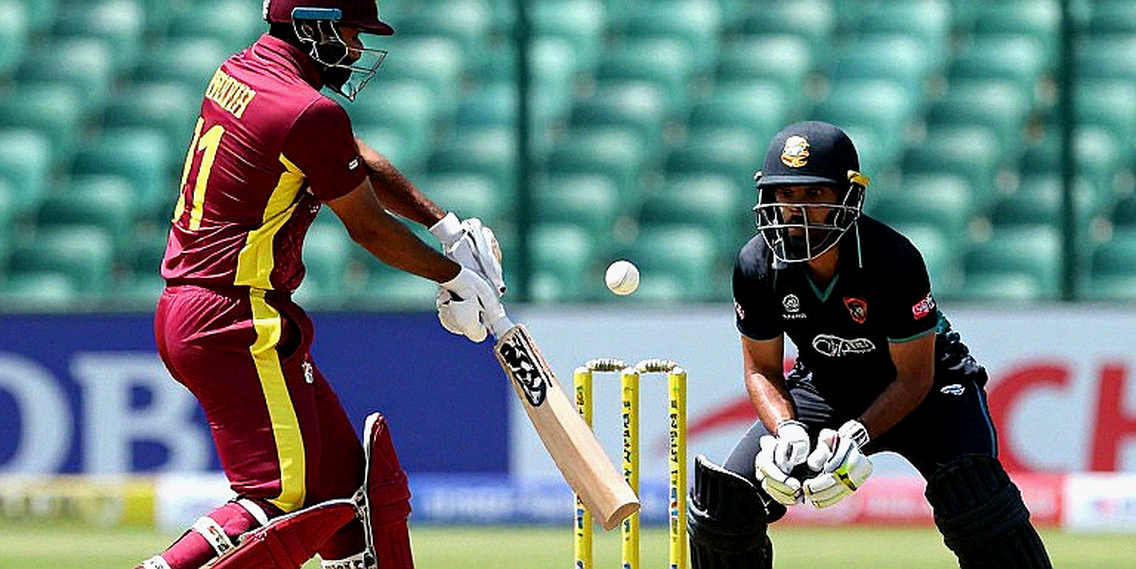
Now Hodge's innings, because it will draw the most ink. 142 off 194 balls, a strike rate of 73.2. Seventeen fours and a six — 74 runs from the boundary, 52.1 per cent of his total. Boundary dependency in Test hundreds usually sits in the forty-to-fifty-five per cent band. This figure is inside that band. It is not the story of a T20 batter converting, and it is not proof of long-form durability. **One innings at 194 balls is a healthy hundred profile and nothing more; a