
Rizwan and Imam Cleared for Quaid-e-Azam Trophy — But 'Clearance' Is Not 'Exoneration'
मोहम्मद रिज़वान और इमाम-उल-हक़ को पाकिस्तान क्रिकेट बोर्ड ने 3 नवंबर से शुरू हो रही क़ायद-ए-आज़म ट्रॉफ़ी में खेलने की अनुमति दे दी है — रिज़वान पेशावर के लिए और इमाम मुल्तान के लिए। दोनों को प्रेसिडेंट्स ट्रॉफ़ी के शुरुआती छह राउंड के लिए अनुमति नहीं दी गई थी; अनुमति सातवें और अंतिम राउंड से पहले मिली। यह ख़बर जियो न्यूज़ ने अनाम स्रोतों के हवाले से दी है, और बोर्ड या खिलाड़ी की ओर से कोई आधिकारिक बयान सामने नहीं आया। मामले की पृष्ठभूमि में NCCIA की ऑनलाइन सट्टेबाज़ी/जुए से जुड़े आरोपों की जाँच, इंग्लैंड दौरे के ड्रेसिंग रूम सूचना लीक की अलग जाँच, और फिटनेस रिपोर्ट समय-सीमा से जुड़ी चिंता है। महत्वपूर्ण बात: 'अनुमति मिलना' का अर्थ 'बरी होना' नहीं है — सार्वजनिक जानकारी में किसी भी खिलाड़ी पर आरोप तय होने या दोष सिद्ध होने का कोई उल्लेख नहीं है, और निर्दोषता का अनुमान लागू रहता है। साथ ही, लगभग एक ही प्रतिस्पर्धी प्रथम श्रेणी मैच के आधार पर 'फ़ॉर्म में वापसी' का कोई दावा नहीं किया जा सकता; रिज़वान की स्थिति टेस्ट प्रारूप में वर्कलोड प्रबंधन से जुड़ी है, जबकि इमाम भरोसेमंद घरेलू रन बनाकर भी विदेशी दौरों की चुनौती का उत्तर नहीं देते।
The Pakistan Cricket Board (PCB) has permitted Mohammad Rizwan and Imam-ul-Haq to play domestic first-class cricket. According to a Geo News report that attributes its core claims to unnamed 'sources', both players will be available for their respective regional sides in the first round of the Quaid-e-Azam Trophy beginning November 3 — Rizwan for Peshawar and Imam for Multan. On the surface this is a routine availability story: two senior internationals returning to domestic cricket and strengthening their teams. But the real information content of the report sits in the word that received the least attention — permission. Because the period in which permission was withheld lasted more than two months, and what withheld it was not a published cricket rule but the board's own discretion.
Lay the facts out in order and the picture sharpens. According to the report, Rizwan and Imam made themselves available — the initiative came from the players, which implies their earlier unavailability was externally imposed. The President's Trophy had been running since September 12, and the PCB withheld permission for the opening six rounds. Permission was granted just before the seventh and final round. The arithmetic is simple: six of seven rounds gone, one granted. That is not a correction; it is minimal compliance.
What deserves attention is that both players were not merely senior but captains of their departmental sides — Rizwan of Sui Northern Gas Pipelines Limited (SNGPL) and Imam of Oil and Gas Development Company Limited (OGDCL). The board withheld permission from two leadership figures, not fringe squad members. That magnifies both the damage to the two teams and the political weight of this entire sequence. The report buries this detail deep.
Now the part missing from the headlines. This is not a cricket-rule matter but an active law-enforcement investigation. The National Cyber Crime Investigation Agency (NCCIA) is investigating allegations linked to online betting and gambling. Separately, an inquiry is examining a dressing-room information leak from the England tour. Alongside these, there is recorded concern about meeting a fitness-report submission deadline. Bundling these three together is the single biggest factual error available, because their legal jurisdictions are different.
One thing must be stated plainly: nothing in the available information says that charges have been framed against either player, that a case is being tried, or that any finding of culpability exists. Clearance is an administrative step, not a judicial verdict. The meaning most readers will infer from the headline word 'cleared' — that the players were found innocent — is not supported by the source material. This distinction is the spine of the entire analysis.
The real question is this: if the investigation has not concluded, why was permission granted now? The most plausible reading is that the board lacked a solid legal basis to keep withholding it — and an indefinite restriction without charge exposes any board to legal challenge. That is not a victory for the players; it is a signal of procedural weakness in the board. The PCB used an unpublished, discretionary mechanism as a soft suspension — no charge sheet, no timeline, no published standard, no appeal route. That is the central defect of the episode, and it is the point that will recur.
Honesty about source quality is also necessary. This is a single-outlet report with no named official, no board statement and no player statement. Treating a solitary anonymously sourced report on a legally sensitive matter as established fact is risky.
On the cricketing side, the two players stand at opposite ends of their career curves and should not be judged on the same yardstick. Rizwan was born in mid-2026, placing him in his early-to-mid thirties; around this age, wicketkeeping workload and red-ball concentration become a genuine management issue. Imam was born in late 2026, roughly 30, inside the peak batting window of 27 to 33. For Imam, every first-class innings now is utilisation; for Rizwan, every additional match is cost as much as benefit.
One more thing must be added: format clarity. This entire discussion concerns the red ball and the Test format. Rizwan's limited-overs stature, the persistent debate over his T20I strike rate, Imam's ODI record — none of these answers the question of whether either man is Test-ready in November. Conflating the formats is the biggest analytical risk in the coverage of this story.
The preparation benchmark, too, deserves a cold reading. Their only competitive red-ball match came in the final round of the President's Trophy. That is roughly one first-class match before November 3. For an opening batter and a wicketkeeper-batter — two of the most rhythm-dependent roles in the game — one match is a sharpness top-up, not a preparation block. Any claim of a return to form on that base would be a small-sample claim of the weakest kind.
Add venue and calendar effects. Peshawar and Multan are both inland, dry, hot-weather centres where first-class surfaces tend to slow and take turn from day three; Multan in particular carries a reputation as a spin-assisting surface. For Imam the hardest examination will be new-ball movement, not spin; for Rizwan the keeping workload on a turning pitch is the physical stress point. And the President's Trophy (from September 12) plus the Quaid-e-Azam Trophy (from November 3) together form a near-continuous red-ball calendar in which back and soft-tissue risk is real for a wicketkeeper-batter in his mid-thirties.
Imam's Test case is condition-dependent, and this tournament cannot resolve it. A left-handed opener scoring heavily on slow, low Pakistani surfaces tells selectors nothing about the one thing that has limited his away record — a fresh ball doing something at pace. Domestic runs will look reassuring and be analytically near-worthless for away-tour selection.
Structural context matters too. Pakistan's domestic model has oscillated between regional sides and state-owned departmental employers (SNGPL, OGDCL, KRL, Ghani Glass). That oscillation makes availability rules unstable and produces exactly this kind of administrative limbo. Two capped players — one of them a captain — missing six of seven rounds is a national-team preparation loss, not merely a club inconvenience.
Commercial risk cannot be ignored either. Rizwan's market value — endorsements, PSL stature, brand pull — is largely independent of whether he plays the Quaid-e-Azam Trophy; his sporting value to the Test side depends on it. Conflating the two in selection debate is wrong. Meanwhile, for state-owned employers, betting-related allegations are a brand risk even if unproven. An unresolved integrity file can trigger caution at the next central-contract cycle and in PSL retention discussions.
What should be watched from here? First, a formal charge sheet or Code of Conduct notice from the board — that would convert a soft restriction into a hard suspension. Second, the NCCIA outcome — closure without action versus referral for prosecution, a binary result that is the largest single swing factor. Third, any naming of an individual in the dressing-room leak inquiry — if a squad insider is implicated, the story spreads far beyond these two players. Fourth, the first round of the Quaid-e-Azam Trophy — the window in which the players hold the only lever fully under their control: runs and wickets. Fifth, the Pakistan squad announcement for the next Test assignment — it will reveal whether the investigation or the cricket is driving selection.
The conclusion is clear. This is a governance and integrity story wearing the costume of a team-selection story. That two senior players have been permitted to play domestic first-class cricket is a fact. Drawing any conclusion beyond it — whether of guilt or of innocence — is a leap past the available information. The presumption of innocence must be maintained absolutely, and the error of reading 'cleared' as 'exonerated' must be avoided — because what is absent from this report matters more than what is present.
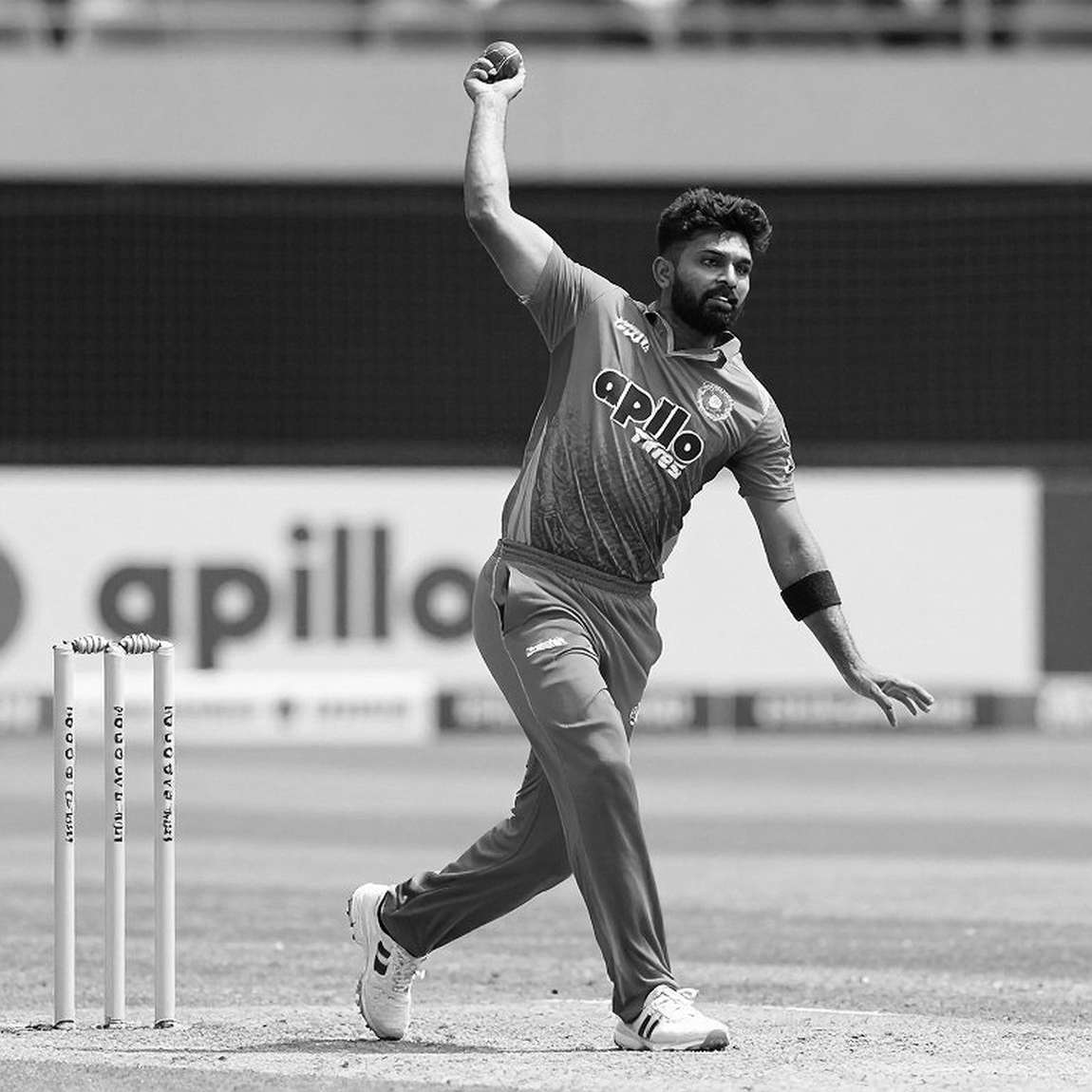
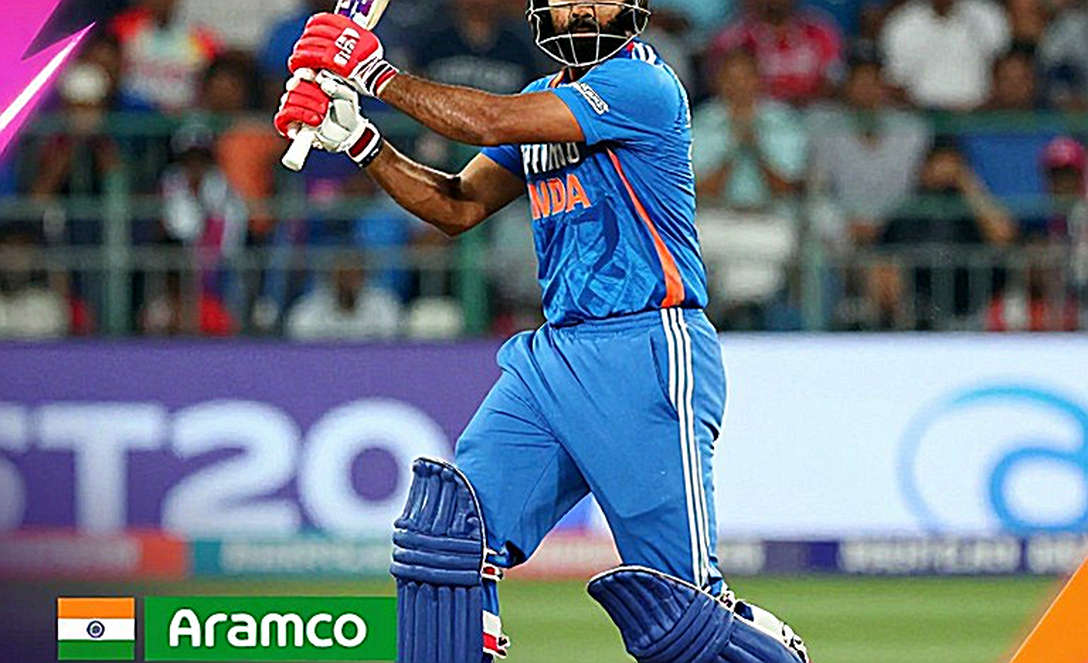
संबंधित खिलाड़ी
लोकप्रिय/पसंदीदा पुस्तकें
The Day the Scorecard Stayed Blank: On the Cricket Desk, the Story Was the News That Never Came Down the Wire2026-11-01
NCL: Mithun's 17th and Sohan's 13th First-Class Centuries Put Khulna on Top Against Mymensingh2026-11-01
Pakistan Beat Hong Kong in Hong Kong Sixes Plate Semi-final, Set Up Oman Final2026-11-01
After Fakhar's century and Minhas's stormy batting, Pakistan won the tri-nation series2026-11-01
अनुशंसित
England Bowled Out for 241: The 19/3 Frame, Shaheen's 4/46, and the Accounting of an Unfinished Match2026-10-26
The Date Ledger: In Asian Cricket, the Real Decision Is Written in NOCs and Selection Records, Not at the Auction2026-10-24
Bad Light's Verdict: Padikkal's 199 and the Last Wicket That Never Fell2026-10-28
Shaheen Shah Afridi Acknowledges Room for Improvement Ahead of ODI Tri-Series Final Against Sri Lanka2026-10-31
Zero Evidence, Full Verdict: The Night the Ball-Tracking Never Loaded2026-10-28
अनुशंसित
Mirpur, Day 1: The Hidden Fourth Wicket Beneath 213/3 and the New Ball Waiting at Over 802026-10-29
Data Failure: No Source Content in Cricket-Asia Analysis2026-11-02
New Zealand chase down 191 in 18 overs to beat India by 7 wickets in Hamilton; India take series 3-22026-11-02
Labuschagne's Slide From the Fab Four to a Loose Thread: The Delivery Log, Not the Ranking, Tells the Story2026-10-30
Data Gap Report: Empty Stage-1 Output Blocks Generation of Cricket News Report2026-10-31
अनुशंसित
India vs New Zealand 5th T20I: India Eye Winning Finish in Dead Rubber as Rotation and Pacer Workload Take Centre Stage2026-11-01
Labuschagne's Slide From the Fab Four to a Loose Thread: The Delivery Log, Not the Ranking, Tells the Story2026-10-30
U19 Women's T20 World Cup 2027: 41 Matches, Four Venues, and Arithmetic That Does Not Reconcile2026-10-23
Four Down for 33: Bangladesh's Collapse Is a Decision Problem, Not a Pitch Problem2026-10-30
अनुशंसित
The Empty cricket_asia Record: Cricket Analysis's Biggest Threat Isn't Missing Data — It's False Completeness2026-10-29
The Empty File: Asian Cricket's Information Machine Delivers a Label, Not a Story2026-10-31
Twenty-Five Point Three Overs in Lahore: Madushanka's Five and the Team-Sheet Behind Pakistan's 1102026-10-28
Data Discipline in Cricket Analysis: Reaching Sound Conclusions Across Formats, Samples and Noise2026-11-01
Abhishek Sharma's 35-ball hundred and a 118-run Powerplay seal the third win, but three blanks remain in the scorecard2026-10-27